WHY STAY IN Zadar
Adriatic quality without the full Dubrovnik premium
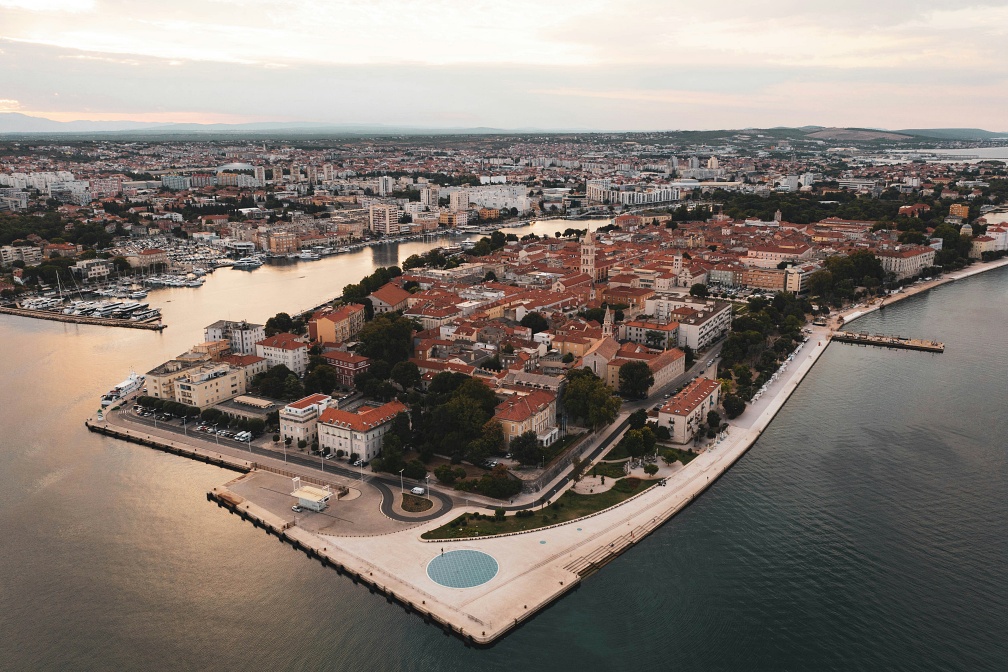
Zadar combines Adriatic access, a compact historic center, island day trips and a more relaxed scale than Split or Dubrovnik.
City Insights for Zadar
Is Zadar Right for You?
Who this city is perfect for
Zadar is an excellent fit for digital nomads, remote employees, retirees, entrepreneurs with overseas income, and lifestyle-focused professionals seeking a relaxed Adriatic coastal city. It particularly suits people who prioritize walkability, seaside living, mild winters, and a slower pace over big-city career opportunities.
Who should avoid this city
Zadar is less suitable for people planning to rely on the local job market, those expecting salaries comparable to the US or Western Europe, or professionals who require a large international business ecosystem. It is also a weaker fit for anyone unwilling to navigate Croatian bureaucracy or seasonal tourism patterns.
Best neighborhoods
Voštarnica for central practicality; Borik for beaches and apartments; Arbanasi for a local coastal feel; Relja for shopping and transport; the Peninsula for short stays and historic atmosphere. Old Town (Poluotok) offers historic charm, cafés, restaurants, and easy access to daily amenities, though rents are highest during tourist season. Borik is popular with expats for its beaches and modern apartments. Voštarnica provides an excellent balance of convenience and residential living close to the center, while Arbanasi offers a quieter neighborhood atmosphere with easy access to the waterfront. Diklo appeals to residents seeking a more relaxed coastal lifestyle outside the busiest tourist areas.
What You Should Know
Remote work reality
Fixed internet is generally reliable, mobile coverage is strong and cafés are workable. Coworking exists but the professional community is smaller than Zagreb or Split. Zadar is well suited for remote professionals thanks to Croatia’s Digital Nomad Visa and its relaxed coastal environment. Time zone alignment works particularly well for European clients, while North American professionals may need to shift their schedules because of the time difference. Stable remote income is strongly recommended before relocating, as local employment opportunities are considerably more limited.
Tax reality
Croatia is an EU tax jurisdiction. Staying long enough to establish residence or conducting business locally can create reporting and social-contribution issues that require professional advice. Croatia offers attractive conditions for many remote workers, but tax residency depends on individual circumstances and length of stay. Digital nomads should obtain professional tax advice before relocating, particularly if operating an overseas business or maintaining tax obligations in another country.
Hidden considerations
The postcard center is not always the best place to live. Borik, Voštarnica and residential districts offer better supermarkets, parking and apartment value, while the peninsula becomes crowded and expensive in summer. Zadar offers a much more authentic year-round lifestyle than Croatia’s busiest tourist destinations while still providing excellent coastal amenities. The city becomes noticeably quieter outside summer, making it easier to integrate into local life. Bureaucracy can be frustrating, especially for newcomers who do not speak Croatian, so patience and professional legal assistance are often worthwhile during the relocation process.
Healthcare notes
Public and private routine care is adequate, with more complex specialist cases sometimes referred to larger Croatian centers. Zadar has modern hospitals, private clinics, and pharmacies suitable for routine healthcare. However, digital nomads should verify that their international health insurance covers treatment in Croatia, as private medical costs may otherwise be paid out of pocket. More specialized care is also available in larger Croatian cities if required.
Visa Reality
Croatia allows many non-EU nationals, including Americans, to apply for a Digital Nomad Visa after arriving. Applicants must generally demonstrate approximately €3,400 monthly income or around €40,000 in savings, obtain health insurance, pass background checks, and secure suitable accommodation. Time spent on the Digital Nomad Visa does not count toward permanent residency, making long-term immigration planning important from the outset.
COST OF LIVING
Monthly Budget Min.
Monthly Budget Max.
Average Rent (1BR)
Food Cost
Transport Cost
Coworking Cost
Utilites Cost
Gym Cost
$1650
$2850
$950
$390
$50
$150
$135
$45
Real cost breakdown
Outside July and August, a practical solo budget is about $1,800–$2,200 with a residential one-bedroom. Summer short-term housing can lift the same lifestyle above $2,600, especially near the peninsula or beach districts. Living costs are generally lower than many Western European coastal cities but higher than many newcomers expect. Rental prices increase substantially near the waterfront and during peak season, while neighborhoods outside the tourist core provide much better long-term value. Groceries and daily essentials are reasonably priced, and fully furnished apartments are common, reducing initial relocation costs. Overall affordability is strongest for residents earning foreign income rather than local salaries.
INTERNET
Avg. Internet Speed
Very Fast
Internet Notes
Modern apartments commonly support fast fixed connections. Ask whether the unit has its own router rather than shared guest Wi-Fi. Mobile data is inexpensive and reliable, making remote work straightforward. Affordable high-data mobile plans are widely available, and most apartments, cafés, and coworking-friendly venues provide dependable internet suitable for video conferencing and online business operations.
CLIMATE
Avg. Summer Temp.
Avg. Winter Temp.
Humidity
Rain
Sunshine
25.3
7.1
High
Medium
High
Climate Notes
Hot, dry and sunny summers; mild but windy and wetter winters. Strong bora winds can make winter days feel colder than the temperature suggests. Zadar enjoys a classic Mediterranean climate with hot, dry summers and mild winters. Spring and autumn offer some of the most comfortable conditions for long-term residents, while summer brings significantly more visitors, higher accommodation prices, and a much busier atmosphere throughout the historic center and waterfront.
VISA
Visa Status
Visa Type
Long Stay Possible
Schengen Visa, Croatian Residence
Yes
Visa requirements may vary depending on your nationality. The information provided here reflects the general visa conditions of the country.
MORE INFO
Zadar is one of Croatia’s most balanced coastal bases. It has a real local population, hospitals, supermarkets and year-round services, while still offering sunsets, beaches and immediate access to the islands. The historic peninsula is beautiful but tourism-heavy; remote workers usually live more comfortably in nearby residential districts. Zadar is safer, cleaner and more orderly than many lower-cost nomad destinations, but housing is the decisive variable. A shoulder-season stay can feel excellent value by Adriatic standards, whereas peak summer turns it into a premium destination. It suits people who want a European coastal lifestyle and are willing to trade dense networking for everyday quality.
Need help moving to Zadar?
Compare trusted relocation providers for visas, housing, tax, moving and healthcare.
Zadar
Croatia / Southern Europe
8.41
BEST FOR
beach, nomad, lifestyle
Lifestyle & Environment
QUICK FACTS
Safety
Internet
Tax
Visa
Climate
Healthcare
: Very Safe
: Very Fast
: Low
: Visa Required
: Warm
: Good
travel tools
Smart travel setup for Zadar
Skip hours of research — here’s exactly how to plan your stay.
Best areas to stay
Voštarnica, Borik, Arbanasi, Relja, Peninsula
<p style="text-align: justify">Target April–June or September–October for the strongest balance of weather, housing and local atmosphere.</p>
View best stays →Mobile internet setup
Book a residential apartment with its own router and fixed broadband, not shared tourist Wi-Fi.
Internet is generally strong; summer rental turnover is the bigger risk.
Check eSIM →Best way to fly in
Check Zadar Airport first in summer, but compare Split and Zagreb for broader year-round routes.
Many low-cost routes are seasonal.
Find flights →Travel insurance
Carry Schengen-compliant travel medical insurance for short stays.
Include coastal activities and trip disruption if island travel is planned.
Get covered →Best first week plan
Listen to the Sea Organ at sunset|Explore the Roman Forum and old town lanes|Swim at Kolovare or Borik|Take a ferry to Ugljan or Dugi Otok|Visit Paklenica National Park|Spend a quiet morning at the local market
Explore →