
WHY STAY IN Frankfurt
Finance center
Finance hub
City Insights for Frankfurt
Is Frankfurt Right for You?
Who this city is perfect for
Frankfurt is a strong fit for professionals, immigrants, finance workers, tech employees, and internationally minded people looking for career growth inside Germany. It especially works well for people who value opportunity, mobility, multicultural environments, and practical urban living over aesthetics or romantic city atmosphere. The city appeals strongly to ambitious professionals because of its role as one of Europe’s major financial and business centers. Even outside banking itself, the economic activity creates opportunities across: IT trade consulting hospitality startups creative industries international services Frankfurt also works particularly well for expats who thrive in international environments and enjoy meeting people from different cultures and backgrounds.
Who should avoid this city
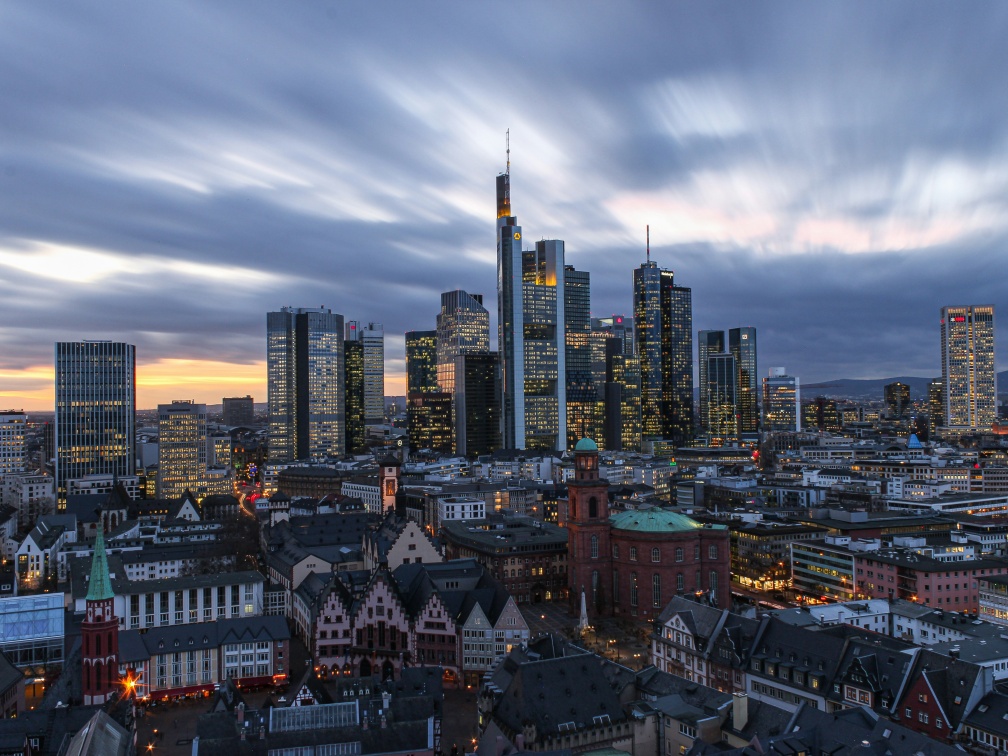
People looking for charming traditional Germany or visually beautiful urban life may struggle to emotionally connect with Frankfurt. The city feels more functional and business-oriented than atmospheric. It may also not suit people who are highly sensitive to urban dirtiness, visible social problems, or rough city environments. Certain areas, especially around the central station, can feel intense and uncomfortable for newcomers. Anyone expecting deeply rooted social communities immediately may also find the city emotionally transient. Many residents come for work temporarily, which creates a more fluid and sometimes superficial social environment.
Best neighborhoods
Frankfurt’s atmosphere changes dramatically depending on district. The city is compact enough that residents often move freely between neighborhoods rather than staying isolated inside one area. This creates a more connected urban feeling than larger cities like Berlin. The riverside areas and zones around the European Central Bank have developed significantly over the past decade and now attract: fitness culture outdoor social life art skating cafés younger international residents At the same time, the central station district remains one of the city’s most difficult areas because of: homelessness visible drug activity prostitution urban decay One of Frankfurt’s biggest realities is that first impressions can be misleading. The station area represents only a very small portion of the overall city.
What You Should Know
Remote work reality
Frankfurt works surprisingly well for remote workers and internationally mobile professionals. The city’s strongest advantages include: walkability compact size strong transportation international atmosphere easy European travel access Cycling is often the fastest way to move around the city, and many daily routines can function without needing a car. At the same time, Frankfurt is more corporate and professionally focused than lifestyle-oriented nomad hubs like Lisbon or Bali. The atmosphere feels productive and career-driven rather than experimental or artistic.
Tax reality
High tax
Hidden considerations
One of Frankfurt’s biggest hidden strengths is practicality. The city is extremely well positioned geographically, making it one of Europe’s best transportation bases. Within a few hours, residents can easily reach: France Belgium Austria Switzerland the Netherlands For internationally minded people, this changes lifestyle quality dramatically. Another important reality is that Frankfurt becomes more attractive over time rather than immediately. Many people initially find the city visually underwhelming, but gradually appreciate: convenience opportunity mobility international culture work-life flexibility The city also feels emotionally more open than many outsiders expect from Germany. Social interaction tends to be easier because so many residents are themselves transplants who moved for work or opportunity. At the same time, deeper friendships usually require effort and consistency. Because many people move frequently, social circles can sometimes feel temporary.
Healthcare notes
Frankfurt benefits from Germany’s strong infrastructure and high overall living standards. The city’s economic importance also supports excellent access to: transportation services professional opportunities modern urban infrastructure
Visa Reality
Frankfurt is one of the easier German cities for foreigners building professional careers because of its highly international labor market. Industries connected to: finance IT international business consulting logistics often operate internationally and employ large numbers of foreigners. For many immigrants, Frankfurt becomes one of the smoother entry points into Germany’s professional ecosystem.
COST OF LIVING
Monthly Budget Min.
Monthly Budget Max.
Average Rent (1BR)
Food Cost
Transport Cost
Coworking Cost
Utilites Cost
Gym Cost
$2700
$4800
$2300
$600
$150
$250
$220
$80
Real cost breakdown
Frankfurt is one of Germany’s most expensive cities. Typical rent expectations: roughly €1,500–2,000/month for comfortable living lower budgets usually require compromises, shared apartments, or extremely competitive housing searches Finding housing is often more difficult than simply paying for it. Competition remains intense even for highly qualified tenants with strong salaries and credit records. Transportation: Deutschlandticket: €49/month for regional transportation across Germany previously, local monthly transit passes alone often cost €70–80/month The new national ticket system dramatically improved affordability and mobility for many residents. One hidden financial reality is that Frankfurt’s high salaries often get partially offset by: expensive housing rising living costs competitive rental market high-quality-of-life expectations
INTERNET
Avg. Internet Speed
Very Fast
Internet Notes
Frankfurt’s infrastructure strongly supports modern remote and professional lifestyles. Transportation, connectivity, and international business systems are deeply integrated into everyday life. The compact urban structure also reduces friction significantly for remote workers and hybrid professionals.
CLIMATE
Avg. Summer Temp.
Avg. Winter Temp.
Humidity
Rain
Sunshine
20.5
3.5
High
Low
High
Climate Notes
Frankfurt offers a relatively balanced Central European climate without the harsher winters of some eastern cities. One of the city’s biggest advantages is fast access to nature. Within roughly 20 minutes by bike, residents can reach forests, riverside areas, parks, and outdoor spaces, which helps balance the city’s corporate atmosphere with healthier daily routines.
VISA
Visa Status
Visa Type
Long Stay Possible
Visa Required 90
Tourist Visa, Digital Nomad Visa, Work Visa, Residence Permit, Student Visa, Business Visa
yes
Visa requirements may vary depending on your nationality. The information provided here reflects the general visa conditions of the country.
MORE INFO
Strong financial center but less vibrant lifestyle.
Need help moving to Frankfurt?
Compare trusted relocation providers for visas, housing, tax, moving and healthcare.
Frankfurt
Germany / Western Europe
7.37
BEST FOR
Business
Lifestyle & Environment
QUICK FACTS
Safety
Internet
Tax
Visa
Climate
Healthcare
: Very Safe
: Very Fast
: Very High
: Visa Required
: Mild
: Excellent
travel tools
Smart travel setup for Frankfurt
Skip hours of research — here’s exactly how to plan your stay.
Best areas to stay
Sachsenhausen — best lifestyle balance Westend — quieter and upscale Nordend — cafés and residential atmosphere
Frankfurt feels more business-focused than most German cities.
View best stays →Mobile internet setup
Excellent internet reliability throughout the city.
Very stable environment for remote work.
Check eSIM →Best way to fly in
Frankfurt is one of Europe’s largest aviation hubs.
Direct international routes are usually easy to find.
Find flights →Travel insurance
Healthcare quality is outstanding.
Insurance still recommended for private care access.
Get covered →Best first week plan
• Riverside walks • International food scene • Museum district • Day trips by train
Explore →