
WHY STAY IN Jakarta
Indonesia’s practical business base, not its beach escape.
Jakarta is Indonesia’s business engine, offering major-city services, low costs for its scale, strong internet, and far more professional infrastructure than Bali.
City Insights for Jakarta
Is Jakarta Right for You?
Who this city is perfect for
Jakarta is best suited for professionals, entrepreneurs, corporate expats, digital nomads who need access to Indonesia's largest business ecosystem, and people who value affordability while living in a major metropolitan area. It particularly suits those comfortable with busy urban environments and interested in Southeast Asia's largest economy.
Who should avoid this city
Jakarta is not ideal for retirees seeking peace, nature-focused expats, people who dislike heavy traffic or pollution, or remote workers expecting perfect infrastructure. Those wanting Bali's relaxed lifestyle or highly walkable cities may struggle with Jakarta's pace and congestion.
Best neighborhoods
SCBD, Kuningan, Menteng, Kemang, Senopati. Central Jakarta is ideal for business professionals with modern offices, shopping, and international amenities. South Jakarta is the preferred expat area thanks to international schools, restaurants, cafés, and residential compounds. Kemang is popular with digital nomads and younger expats for its cafés, nightlife, and coworking culture. SCBD (Sudirman Central Business District) offers premium business living, while Menteng combines historic charm with upscale residential neighborhoods.
What You Should Know
Remote work reality
Remote work is strong in premium districts with fiber, coworking, cafes, and mobile backup. Traffic means your neighborhood should contain most daily needs. Jakarta is Indonesia’s primary business hub and one of Southeast Asia’s largest employment markets. Remote workers benefit from numerous coworking spaces, international business services, and strong professional networking opportunities. However, internet reliability can vary, traffic significantly reduces productivity if commuting, and occasional power outages may affect online work. Many remote professionals choose South Jakarta or Kemang to balance connectivity with lifestyle.
Tax reality
Indonesia tax exposure depends on visa type, residency, and income activity. Long stays should be structured carefully.
Hidden considerations
Jakarta becomes manageable only when you reduce commuting. Living near your coworking, gym, cafes, and friends changes the entire experience. Jakarta offers far more career opportunities than Indonesia’s island destinations but requires patience with bureaucracy and daily logistics. Heavy traffic becomes one of the biggest quality-of-life factors, making neighborhood selection extremely important. Living close to work can save several hours per day. Despite the city’s scale, Indonesians are widely regarded as warm, welcoming, and community-oriented, making cultural integration easier than many expect.
Healthcare notes
Private healthcare is good for the region, with stronger specialist options than Bali or smaller Indonesian cities. Private hospitals in Jakarta offer acceptable standards for routine healthcare, but many expats still travel to Singapore or Bangkok for complex medical procedures. International health insurance is strongly recommended due to varying healthcare quality across the country.
Visa Reality
Indonesia offers tourist and extendable options, but longer-term remote work should follow current visa rules. Long-term residency remains one of Indonesia’s biggest challenges. Visa procedures can be bureaucratic and frequently change. Many remote workers continue relying on business or tourist visas with periodic renewals, although Indonesia has discussed introducing more remote-worker-friendly visa options.
COST OF LIVING
Monthly Budget Min.
Monthly Budget Max.
Average Rent (1BR)
Food Cost
Transport Cost
Coworking Cost
Utilites Cost
Gym Cost
$1300
$3000
$800
$350
$80
$130
$90
$35
Real cost breakdown
Jakarta can be affordable compared with global megacities. Good apartments, private transport, gyms, and Western restaurants raise costs, but local food and services remain good value. Jakarta remains affordable by international standards despite being Indonesia’s most expensive city. A furnished one-bedroom apartment is significantly cheaper than comparable Western cities, while local restaurants (warungs) provide meals for only a few dollars. Transportation, domestic services, groceries, and daily expenses remain inexpensive, allowing many expats to enjoy a comfortable lifestyle at a fraction of Western costs. However, imported products, premium housing, and international schools increase monthly budgets considerably.
INTERNET
Avg. Internet Speed
Average Speed
Internet Notes
Fiber and 5G are strong in modern apartments and business districts; backup mobile data is still useful during outages. Internet quality has improved but remains inconsistent. While business districts and premium neighborhoods generally provide reliable connections, slower speeds and occasional outages still occur. Remote workers should verify internet quality before renting and maintain backup mobile data options.
CLIMATE
Avg. Summer Temp.
Avg. Winter Temp.
Humidity
Rain
Sunshine
26.2
26.7
High
High
High
Climate Notes
Jakarta is hot, humid, rainy, and flood-prone in some areas, with air quality and traffic affecting comfort. Jakarta has a consistently warm tropical climate with temperatures generally between 26–30°C year-round. The city experiences predictable wet and dry seasons. Heavy monsoon rains can occasionally cause flooding and traffic disruption, but there are no harsh winters or major seasonal temperature swings.
VISA
Visa Status
Visa Type
Long Stay Possible
Visa on Arrival 30
Indonesia Tourist or Extendable Stay
Yes
Visa requirements may vary depending on your nationality. The information provided here reflects the general visa conditions of the country.
MORE INFO
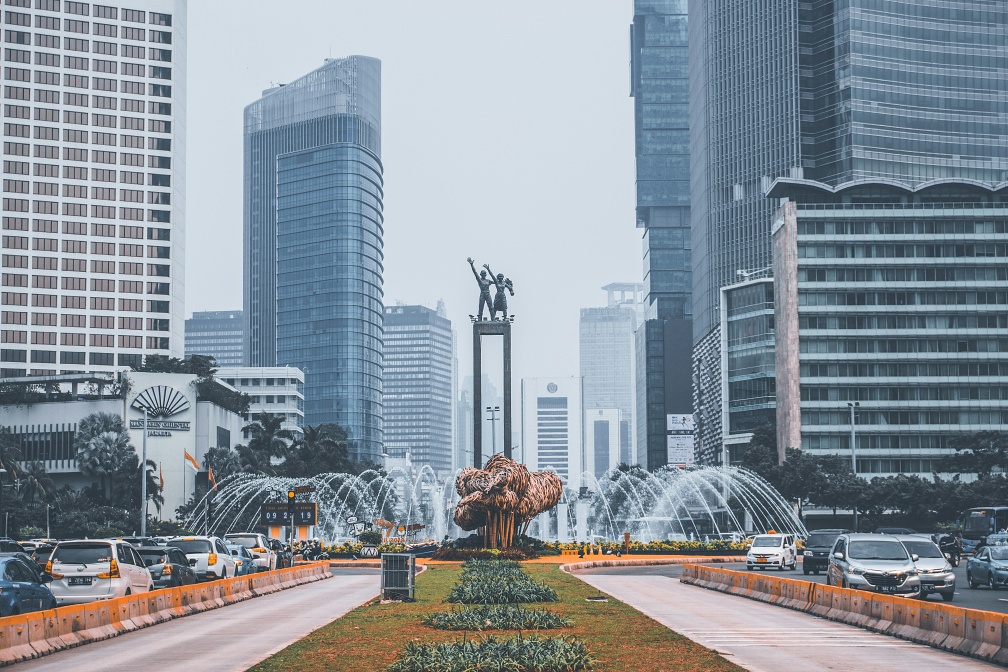
Jakarta is huge, humid, congested, and commercially important. It is not as relaxing as Bali or as scenic as smaller Indonesian cities, but it is far better for business, healthcare, flights, coworking, shopping, and professional services. Remote workers who need Southeast Asian city infrastructure can live well in areas like SCBD, Menteng, Kuningan, or Kemang. The challenges are traffic, flooding, pollution, and the need to choose a neighborhood carefully.
Need help moving to Jakarta?
Compare trusted relocation providers for visas, housing, tax, moving and healthcare.
Jakarta
Indonesia / Southeast Asia
6.7
BEST FOR
Business, Budget, Nomad
Lifestyle & Environment
QUICK FACTS
Safety
Internet
Tax
Visa
Climate
Healthcare
: Safe
: Average Speed
: High
: Visa on Arrival
: Hot
: Limited
travel tools
Smart travel setup for Jakarta
Skip hours of research — here’s exactly how to plan your stay.
Best areas to stay
SCBD, Kuningan, Menteng, Kemang
SCBD and Kuningan are best for business and coworking, while Kemang is more social and expat-oriented.
View best stays →Mobile internet setup
Biznet, MyRepublic, or IndiHome fiber plus Telkomsel mobile backup
Ask about building fiber and backup power if you work fixed hours or run calls daily.
Check eSIM →Best way to fly in
Jakarta’s Soekarno-Hatta Airport is Indonesia’s main international gateway.
Airport transfers can be slow, so plan around traffic and use rail where practical.
Find flights →Travel insurance
International insurance with Indonesia private hospital coverage is recommended.
Private hospitals are good, but coverage helps with emergencies and specialist care.
Get covered →Best first week plan
Menteng cafes, SCBD coworking, Kota Tua, street food, Thousand Islands trips, museums, rooftop bars
Explore →