
WHY STAY IN Gili Air
A tropical reset, not a corporate work base.
Gili Air is a small island escape for slow beach living, snorkeling, and simple routines, but it is not built for demanding remote work.
City Insights for Gili Air
Is Gili Air Right for You?
Who this city is perfect for
Gili Air is ideal for digital nomads, solo travelers, slow travelers, divers, freelancers, couples, and retirees seeking a peaceful island lifestyle. It especially suits people who value simplicity, walkability, beach access, and low daily expenses over urban conveniences. The island is an excellent choice for those looking to disconnect from traffic and enjoy a slower pace of life.
Who should avoid this city
Gili Air is less suitable for people who need major shopping malls, extensive nightlife, advanced healthcare, coworking hubs, or frequent business meetings. Those who require constant entertainment, fast logistics, or city-level infrastructure may quickly feel isolated after a few weeks.
Best neighborhoods
East Coast is popular for sunrise views and relaxed beachfront cafés. South Beach offers quieter accommodation with easy swimming access. Central Village provides convenient access to restaurants, shops, dive centers, and daily services. North Beach is favored for boutique resorts and quieter beaches, while the West Coast attracts residents seeking sunsets, beach clubs, and a more tranquil atmosphere.
What You Should Know
Remote work reality
Gili Air works surprisingly well for focused remote work provided your accommodation has reliable internet. Many villas and guesthouses now offer fiber or high-speed Wi-Fi suitable for video calls and everyday online work. However, the island has few dedicated coworking spaces, so most professionals work from their accommodation or beachfront cafés. Power outages and occasional internet interruptions can occur, making a mobile hotspot useful as backup.
Tax reality
Indonesia taxes residents based on tax residency status rather than visa type alone. Most short-term visitors remain non-tax residents, while longer stays, remote work arrangements, or Indonesian-sourced income may create additional tax obligations. Professional advice is recommended for digital nomads planning extended stays.
Hidden considerations
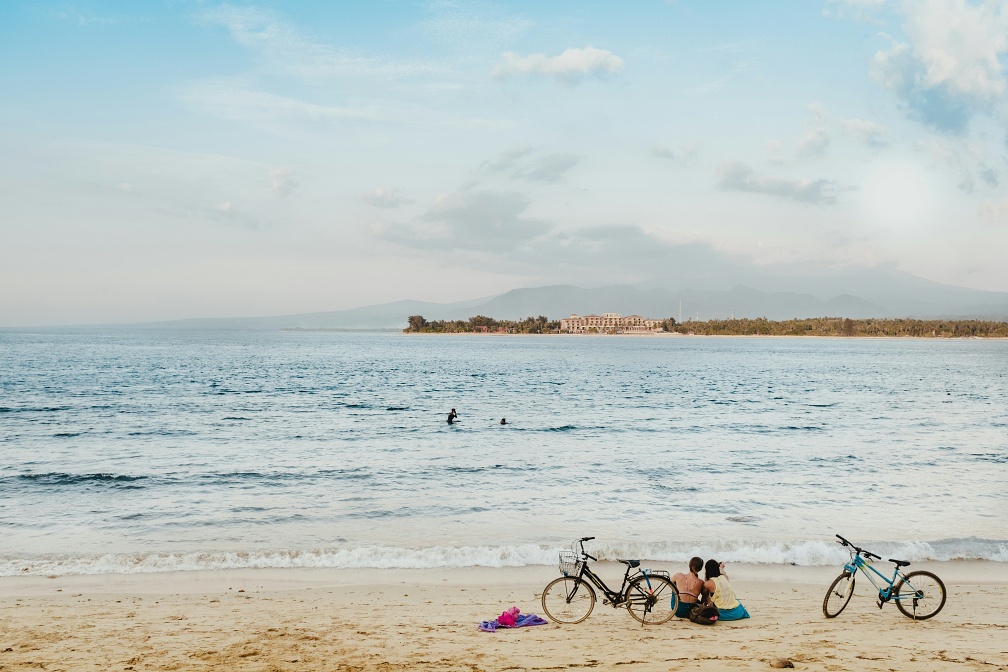
One of Gili Air’s greatest strengths is how quickly life slows down. With no cars or motorbikes, daily routines become centered around walking or cycling, dramatically reducing stress. The island is small enough to walk around in about 90 minutes, encouraging outdoor living and spontaneous interactions with the local community. Many visitors arrive for a few days and end up staying for months because of the relaxed atmosphere and strong sense of community.
Healthcare notes
Gili Air has small medical clinics capable of treating minor illnesses and injuries. More serious medical situations generally require transfer by boat to Lombok, where larger hospitals are available. For complex emergencies, many international residents prefer evacuation to Bali’s international-standard hospitals. Comprehensive travel or international health insurance is strongly recommended.
Visa Reality
Most visitors arrive using Indonesia’s Visa on Arrival or electronic VOA, while longer stays commonly involve tourist visa extensions or C1 visitor visas depending on individual circumstances. Immigration regulations change periodically, so travelers should verify the latest requirements before arrival and ensure they remain compliant throughout their stay.
COST OF LIVING
Monthly Budget Min.
Monthly Budget Max.
Average Rent (1BR)
Food Cost
Transport Cost
Coworking Cost
Utilites Cost
Gym Cost
$1300
$2600
$800
$380
$30
$80
$80
$25
Real cost breakdown
Gili Air offers a lower cost of living than many parts of Bali, particularly for long-term stays. Accommodation remains affordable, local warungs provide inexpensive daily meals, and the absence of motorized transport eliminates fuel, parking, and scooter rental expenses. Many residents naturally spend less because entertainment revolves around beaches, walking, snorkeling, and simple island life rather than shopping or nightlife.
INTERNET
Avg. Internet Speed
Average Speed
Internet Notes
Internet quality has improved significantly in recent years, with many accommodations offering speeds suitable for remote work, cloud services, and video conferencing. Performance varies between properties, so checking actual Wi-Fi speeds before booking long-term accommodation is advisable. Mobile data coverage is generally reliable across the island as an additional backup.
CLIMATE
Avg. Summer Temp.
Avg. Winter Temp.
Humidity
Rain
Sunshine
26.7
26.1
High
Seasonal
High
Climate Notes
Gili Air has a tropical climate with warm temperatures year-round, abundant sunshine, and relatively small seasonal temperature variation. The dry season offers excellent conditions for diving, snorkeling, and beach life, while the wet season brings short but sometimes intense tropical showers. Sea breezes help moderate the heat, making outdoor living comfortable throughout most of the year.
VISA
Visa Status
Visa Type
Long Stay Possible
Visa on Arrival 30
Tourist, Extendable Stay
no
Visa requirements may vary depending on your nationality. The information provided here reflects the general visa conditions of the country.
MORE INFO
Gili Air is best understood as a lifestyle island rather than a serious productivity hub. It offers clear water, no cars, slow mornings, diving, snorkeling, and a softer pace than Bali. For remote workers, the trade-off is infrastructure. Internet can be inconsistent, healthcare is limited, and logistics depend on boats and weather. It is excellent for a light-work reset, but not ideal for high-stakes meetings every day.
Need help moving to Gili Air?
Compare trusted relocation providers for visas, housing, tax, moving and healthcare.
Gili Air
Indonesia / Southeast Asia
7.13
BEST FOR
Beach, Lifestyle, Budget
Lifestyle & Environment
QUICK FACTS
Safety
Internet
Tax
Visa
Climate
Healthcare
: Very Safe
: Average Speed
: High
: Visa on Arrival
: Hot
: Limited
travel tools
Smart travel setup for Gili Air
Skip hours of research — here’s exactly how to plan your stay.
Best areas to stay
East coast, west coast, central village
<p style="text-align: justify">East coast is better for access and swimming; west coast is quieter and sunset-focused.</p>
View best stays →Mobile internet setup
Telkomsel mobile data plus verified accommodation Wi-Fi
Always ask for a current speed test before booking a long stay.
Check eSIM →Best way to fly in
Fly to Lombok or Bali, then continue by boat.
Boat transfers can be delayed by weather, so avoid same-day tight connections.
Find flights →Travel insurance
Insurance should include evacuation and water-sport coverage.
Limited local healthcare makes evacuation coverage especially important.
Get covered →Best first week plan
Snorkeling, diving, sunset beaches, cycling the island, Lombok day trips, slow cafe mornings
Explore →