
WHY STAY IN New Orleans
Music & culture
Unique culture
City Insights for New Orleans
Is New Orleans Right for You?
Who this city is perfect for
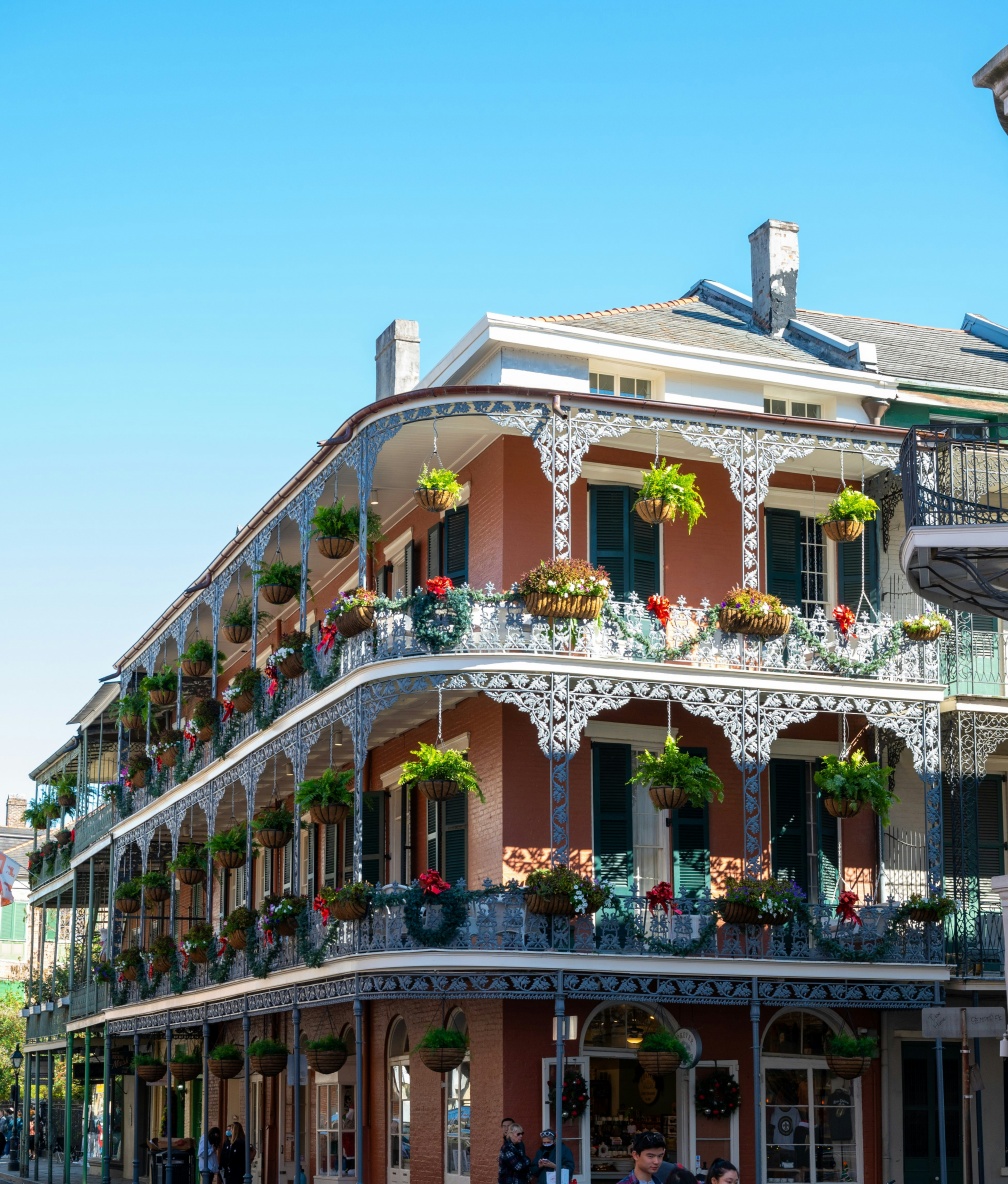
The French Quarter is a strong fit for people who want a highly walkable, culturally rich, and deeply atmospheric lifestyle inside one of America’s most unique urban environments. It especially appeals to: retirees second-home buyers creatives musicians history lovers urban lifestyle enthusiasts people seeking slower community-oriented living The neighborhood works best for people who genuinely want to live inside the energy and identity of New Orleans rather than simply visit it occasionally. One of the biggest lifestyle advantages is daily immersion in: live music historic architecture cafés restaurants nightlife walkability community atmosphere without needing a car.
Who should avoid this city
People looking for fast appreciation, easy real estate liquidity, or short-term rental income may struggle with the French Quarter market today. It may also not suit people who: require easy parking dislike tourism want quiet suburban living prefer newer housing stock dislike historic property maintenance expect easy renovation flexibility The French Quarter rewards long-term lifestyle buyers much more than short-term investors.
Best neighborhoods
The French Quarter itself functions almost like its own separate city inside New Orleans. The neighborhood offers: historic homes walkability nightlife cafés restaurants music culture dense urban atmosphere One major advantage is that residents can comfortably live without a car because: groceries dining entertainment social life are all accessible on foot. The Quarter today also feels more community-oriented because short-term rentals have largely been eliminated.
What You Should Know
Remote work reality
The French Quarter works surprisingly well for remote workers who value atmosphere, walkability, and daily stimulation. The neighborhood supports: café culture walking-based routines live music access flexible daily schedules highly social environments For remote professionals who dislike car-dependent suburban life, the Quarter can feel emotionally freeing. At the same time, productivity depends heavily on tolerance for: tourism noise nightlife energy constant activity because the environment rarely feels fully quiet or detached from the city’s social pulse.
Tax reality
The French Quarter offers unusually strong historic property tax incentives. Qualified restoration projects may receive: 20% Louisiana historic tax credit 25% federal historic tax credit creating a combined potential benefit of: up to 45% tax credit support For buyers planning long-term ownership and renovation, this can dramatically offset restoration costs.
Hidden considerations
One of the French Quarter’s biggest hidden realities is that living there feels very different from visiting. Without short-term rentals dominating buildings, the area increasingly functions as a true neighborhood again: long-term residents local routines recurring faces stronger community feeling Another important reality is parking psychology. Many residents eventually abandon car ownership entirely because: parking stress limited space visitor parking headaches become part of daily life. Historic ownership also requires patience. Renovations and exterior changes go through: preservation reviews Vieux Carré Commission approval long timelines strict architectural oversight At the same time, many owners view this preservation system as part of what protects the neighborhood’s long-term identity and charm.
Healthcare notes
The neighborhood’s walkability and slower urban routines strongly support: active daily living reduced car dependency social interaction community-based lifestyles which contribute heavily to overall lifestyle quality.
Visa Reality
The French Quarter naturally attracts: domestic relocators retirees second-home owners creatives lifestyle-driven buyers because of its highly distinctive cultural identity and long-term ownership appeal. The neighborhood today functions more as a residential lifestyle market than a short-term rental investment market.
COST OF LIVING
Monthly Budget Min.
Monthly Budget Max.
Average Rent (1BR)
Food Cost
Transport Cost
Coworking Cost
Utilites Cost
Gym Cost
$2200
$4000
$1700
$500
$120
$200
$180
$70
Real cost breakdown
The French Quarter is currently considered a buyer’s market: higher inventory lower competition more negotiation flexibility for buyers However, resale liquidity can be slower than many buyers initially expect. Purchasing here is generally viewed as: long-term lifestyle ownership long-hold investment community-focused living rather than rapid flipping or speculative appreciation. Insurance remains one of the neighborhood’s biggest financial realities: homeowners insurance still expensive strong coverage required despite lower flood exposure At the same time, the neighborhood’s higher elevation compared to much of New Orleans reduces: flood risk potential flood insurance pressure significantly. One of the largest financial advantages is historic tax incentives: up to 45% combined historic tax credits 20% state 25% federal for qualifying restoration and renovation projects.
INTERNET
Avg. Internet Speed
Very Fast
Internet Notes
The Quarter comfortably supports modern urban lifestyles and remote work routines through: walkability cafés dense city infrastructure highly connected urban environment The neighborhood works especially well for people who want life organized around local movement rather than driving.
CLIMATE
Avg. Summer Temp.
Avg. Winter Temp.
Humidity
Rain
Sunshine
27.9
14
High
Medium
High
Climate Notes
One of the French Quarter’s strongest practical advantages is elevation. Compared to much of New Orleans, the neighborhood sits on relatively higher ground, reducing: flood exposure flooding anxiety flood insurance pressure At the same time, residents still live inside: humid subtropical climate hurricane exposure intense summer heat seasonal storms which remain core realities of long-term New Orleans living.
VISA
Visa Status
Visa Type
Long Stay Possible
Visa Required 90
Tourist Visa, Digital Nomad Visa, Work Visa, Residence Permit, Student Visa, Business Visa
yes
Visa requirements may vary depending on your nationality. The information provided here reflects the general visa conditions of the country.
MORE INFO
Vibrant culture, music scene, but humid and flood risk.
Need help moving to New Orleans?
Compare trusted relocation providers for visas, housing, tax, moving and healthcare.
New Orleans
USA / North America
6.93
BEST FOR
Lifestyle
Lifestyle & Environment
QUICK FACTS
Safety
Internet
Tax
Visa
Climate
Healthcare
: Less Safe
: Very Fast
: Moderate
: Visa Required
: Hot
: Excellent
travel tools
Smart travel setup for New Orleans
Skip hours of research — here’s exactly how to plan your stay.
Best areas to stay
French Quarter outskirts — best atmosphere without constant noise Marigny — creative and social Garden District — quieter and historic
Humidity and weather shape daily life more than most expect.
View best stays →Mobile internet setup
Internet quality is generally reliable in central districts.
Older historic buildings sometimes have weaker setups.
Check eSIM →Best way to fly in
Good domestic connectivity across the US.
Festival periods increase prices significantly.
Find flights →Travel insurance
Healthcare quality is strong but very expensive without coverage.
Insurance is essential.
Get covered →Best first week plan
• Live jazz • Local food scene • Historic streets • Mississippi river walks
Explore →