
WHY STAY IN Hoi An
Hoi An: a practical base for longer stays
Hoi An gives remote workers a strong mix of livability, everyday services, and a recognizable international scene without duplicating the first 30 core cities.
City Insights for Hoi An
Is Hoi An Right for You?
Who this city is perfect for
Hoi An is a strong fit for remote workers, slow travelers, creatives, retirees, and people looking for a calmer and more intentional lifestyle. It especially appeals to those who value: café culture slower routines walkability beach access coworking culture visual beauty relaxed social environments The town works particularly well for people who enjoy quieter days built around work, cafés, cycling, beaches, and simple routines rather than constant stimulation or fast urban energy. For many digital nomads, Hoi An feels emotionally restorative compared to larger and noisier Southeast Asian cities.
Who should avoid this city
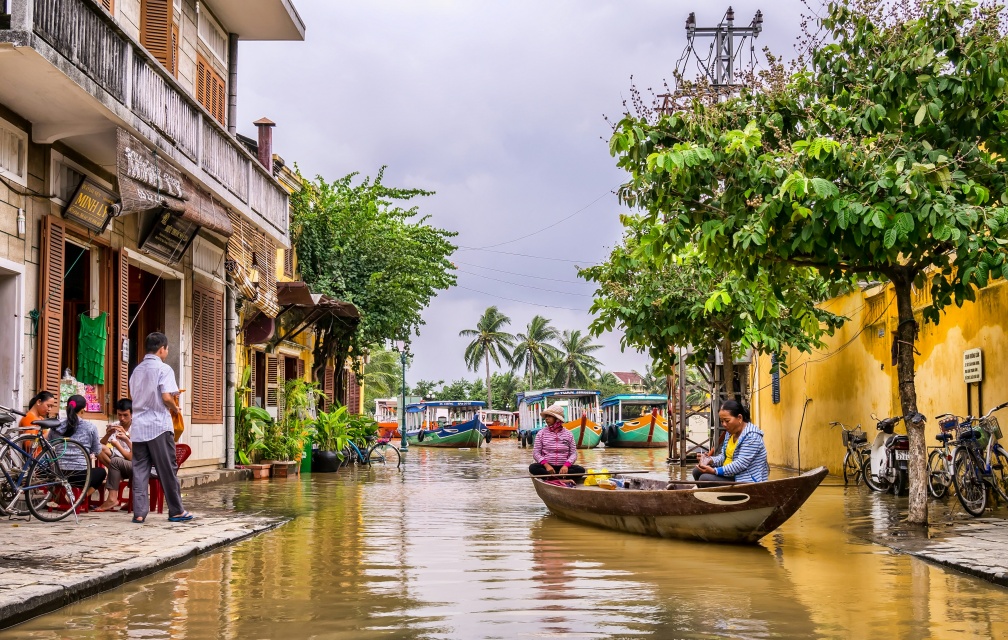
People who need constant activity, strong nightlife, fast-paced city energy, or large-scale professional opportunities may eventually feel limited in Hoi An. The town can also become frustrating for people who dislike: humidity seasonal flooding tourism crowds repetitive routines limited variety Long-term life here requires genuinely enjoying slower living. Otherwise, the town can eventually feel too quiet and repetitive.
Best neighborhoods
The Old Town is visually stunning but difficult for long-term living. It becomes: extremely crowded heavily tourist-oriented noisy in the evenings difficult to navigate during peak hours Most long-term foreigners prefer living outside the center. Tan An near An Bang Beach is one of the most popular expat areas because it offers: beach-town atmosphere cafés bars restaurants international community relaxed lifestyle Cam Chau is often considered the most balanced option for long-term living: quieter atmosphere rice field views calmer daily life short cycling distance to both beach and Old Town For remote workers and slower lifestyles, Cam Chau tends to feel the most livable overall.
What You Should Know
Remote work reality
Hoi An works extremely well for remote workers who prioritize focus and calm routines. The city offers: coworking spaces strong café culture affordable living international community healthy lifestyle atmosphere slower pacing Popular coworking spaces like Hub Hoi An and FIFO Flow attract: digital nomads freelancers entrepreneurs online workers The atmosphere tends to feel productive but relaxed rather than aggressively networking-focused. One major advantage is how naturally remote routines form here: mornings in cafés cycling through rice fields coworking sessions beach breaks quieter evenings However, internet reliability can still fluctuate more than places like Thailand. In most cases it works perfectly fine, but infrastructure remains less stable overall.
Tax reality
Tax score 7/10. Treat this as a planning signal only; tax residency, source of income, local registration, and treaty rules can change the outcome.
Hidden considerations
One of Hoi An’s biggest hidden realities is that the emotional experience changes dramatically over time. At first, the town feels: magical visually stunning peaceful cinematic But after longer stays, many people begin noticing: repetition slower social rhythm limited variety smaller social circles reduced stimulation The same quietness that initially feels calming can eventually start feeling restrictive depending on personality type. Another important reality is tourism density. During peak hours, some parts of Old Town become extremely crowded, to the point where even crossing small bridges can take several minutes. Flooding and humidity are also genuine long-term concerns: mold issues moisture problems ground-floor flooding rainy season disruption can directly affect housing quality and daily comfort. At the same time, many people still choose to remain because the slower lifestyle feels emotionally healthier than life in larger cities.
Healthcare notes
Hoi An’s large expat population and proximity to Da Nang provide relatively accessible healthcare options for foreigners. Most long-term residents rely primarily on private clinics and hospitals when needed.
Visa Reality
Hoi An functions very similarly to other Vietnamese expat hubs regarding medium-term stays and remote work lifestyles. Many foreigners combine: tourist visas visa runs remote work income longer-term apartment rentals to maintain flexible living arrangements in Vietnam.
COST OF LIVING
Monthly Budget Min.
Monthly Budget Max.
Average Rent (1BR)
Food Cost
Transport Cost
Coworking Cost
Utilites Cost
Gym Cost
$1000
$1800
$600
$260
$20
$100
$80
$25
Real cost breakdown
Hoi An is more expensive than many people initially expect, especially compared to Da Nang. Typical long-term apartment prices: comfortable apartment: around 10–12 million VND/month roughly $400–500 USD/month Short-term rentals on Airbnb or Booking platforms are often significantly overpriced. Food: local meal: around 50–70k VND western-style or nicer restaurants: around 100–150k VND upscale dining can go much higher Coffee: local Vietnamese coffee: around 25–35k VND specialty cafés: around 50–70k VND Coworking: day pass: around 350k VND monthly memberships: roughly 4 million VND depending on season Other daily costs: laundry: around 30k VND/kg local beer: around 40–50k VND cocktails: roughly 150–200k VND The overall reality is that Hoi An charges a “lifestyle premium.” You are paying less for infrastructure and more for atmosphere, aesthetics, and slower living.
INTERNET
Avg. Internet Speed
Very Fast
Internet Notes
Internet quality is generally good enough for remote work, coworking, video calls, and online business. Coworking spaces usually provide the most stable connections, while cafés vary more depending on location and time of day. The café culture itself is one of Hoi An’s biggest strengths for remote workers. Many people never even use coworking spaces because cafés already support productive working routines comfortably.
CLIMATE
Avg. Summer Temp.
Avg. Winter Temp.
Humidity
Rain
Sunshine
30
22.4
High
High
High
Climate Notes
Hoi An has a hot, humid tropical climate with strong rainy seasons. Major climate realities include: long humid periods seasonal flooding mold and moisture issues heavy rain during wet season At the same time, the town’s natural environment strongly shapes its appeal: rice fields beaches tropical greenery slower outdoor living cycling culture The climate and scenery together create much of the town’s emotionally relaxed atmosphere.
VISA
Visa Status
Visa Type
Long Stay Possible
e-Visa 45
Tourist Visa, Digital Nomad Visa, Work Visa, Residence Permit, Student Visa, Business Visa
no
Visa requirements may vary depending on your nationality. The information provided here reflects the general visa conditions of the country.
MORE INFO
Hoi An is a strong second-wave WhereToLiveGuide city for users who want a practical base rather than only a famous nomad hotspot. The city offers a workable balance of housing, food, transport, internet access, lifestyle depth, and long-stay potential. It is especially useful for comparing cost versus quality of life because the upside is clear, but the trade-offs are also visible: seasonality, visa limits, tax complexity, neighborhood choice, or rising rent pressure can change the experience quickly.
Need help moving to Hoi An?
Compare trusted relocation providers for visas, housing, tax, moving and healthcare.
Hoi An
Vietnam / Southeast Asia
7.53
BEST FOR
Budget, Beach, Lifestyle
Lifestyle & Environment
QUICK FACTS
Safety
Internet
Tax
Visa
Climate
Healthcare
: Very Safe
: Very Fast
: High
: e-Visa
: Warm
: Average
travel tools
Smart travel setup for Hoi An
Skip hours of research — here’s exactly how to plan your stay.
Best areas to stay
An Bang — best beach and long-stay balance Cam Pho — quieter local atmosphere Old Town outskirts — walkable but calmer
Staying directly inside Old Town becomes tiring because of tourism density.
View best stays →Mobile internet setup
Internet quality is surprisingly strong for remote work.
Mobile data is cheap and reliable across town.
Check eSIM →Best way to fly in
Most arrivals happen through Da Nang Airport.
Airport transfer to Hoi An takes around 45 minutes.
Find flights →Travel insurance
Healthcare options are limited compared to larger Vietnamese cities.
Insurance strongly recommended for anything beyond basic treatment.
Get covered →Best first week plan
• Lantern evenings • Riverside cafés • Tailor shops • Beach scooter rides
Explore →