
WHY STAY IN Strasbourg
European quality of life without Paris chaos.
Strasbourg gives remote workers a rare mix of French culture, German efficiency, bike-friendly daily life, and institutional stability near the center of Europe.
City Insights for Strasbourg
Is Strasbourg Right for You?
Who this city is perfect for
Strasbourg is a strong fit for: remote workers EU professionals students cyclists families people seeking balanced European city life The city especially appeals to people who value: public transportation cycling infrastructure international atmosphere walkability historical beauty work-life balance green spaces cross-border mobility Strasbourg works particularly well for people who want: European lifestyle without Paris intensity international community easy Germany access strong urban infrastructure slower and cleaner routines highly livable medium-sized city Compared to: Paris Strasbourg feels: calmer greener more organized more international more bike-oriented less overwhelming
Who should avoid this city
People looking for: hot Mediterranean climate nonstop nightlife ultra-fast career environments massive international corporate ecosystems low-cost housing may eventually struggle here. It may also not suit people who: dislike gray winters strongly prefer warm weather dislike slower European rhythms expect highly social Southern European culture Strasbourg rewards: routine balance sustainability outdoor living structured urban lifestyles far more than high-energy lifestyles.
Best neighborhoods
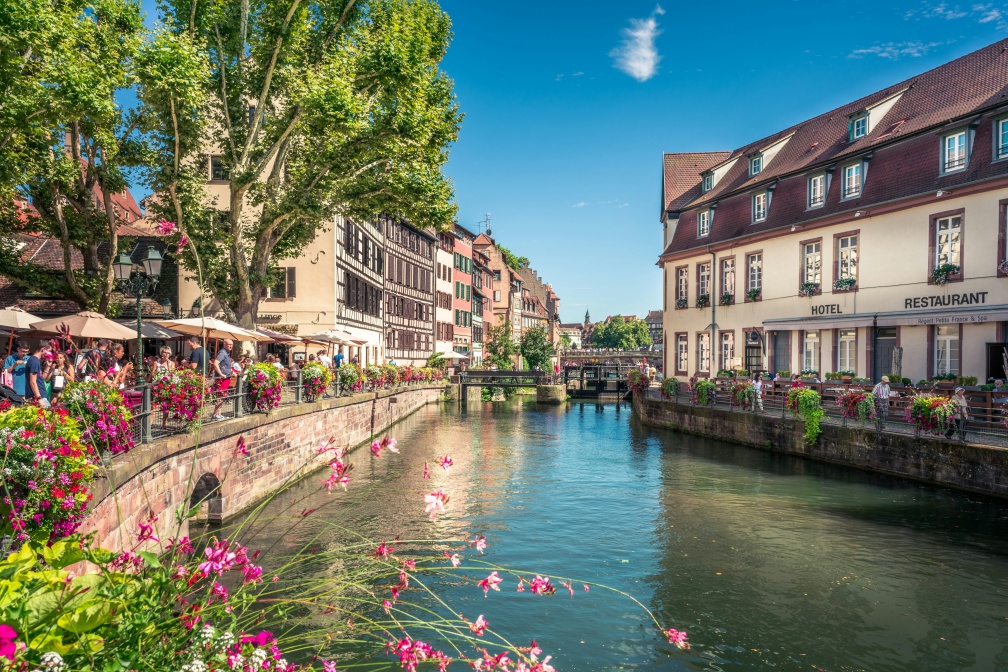
Krutenau, Petite France, Orangerie, Neudorf. The strongest lifestyle areas generally include: Petite France Krutenau Orangerie Grand Île areas near European Parliament quieter residential districts near tram lines Petite France especially stands out for: canals half-timber architecture cafés riverside walks postcard atmosphere Krutenau offers: student nightlife bars social energy younger atmosphere craft beer culture Orangerie especially appeals to: families professionals long-term residents EU workers because of: parks embassies quieter streets polished residential atmosphere One major hidden advantage: the city feels extremely connected without feeling large or exhausting.
What You Should Know
Remote work reality
Remote work is smooth thanks to reliable fiber, quiet neighborhoods, coworking spaces, and fast rail links. The city is better for focused work than casual nomad networking. Strasbourg works extremely well for remote workers who prioritize: infrastructure cycling balance walkability stability European connectivity The city strongly supports: café work apartment-based remote work train-connected lifestyles healthy routines sustainable urban living One major emotional advantage: daily life feels highly organized without feeling robotic. Compared to: Paris Brussels daily routines often feel: calmer healthier more manageable more community-oriented The city especially works well for: EU professionals startup workers academics remote employees multilingual expats
Tax reality
France is high-tax for residents, freelancers, and business owners, so longer stays require planning rather than assumptions. Strasbourg works especially well financially for: EU professionals remote earners students cross-border workers because: transportation costs remain low car dependency is minimal public infrastructure is highly efficient The city especially rewards: sustainable urban lifestyles cycling-based living moderate spending habits
Hidden considerations
The city becomes dramatically better when you bike. Strasbourg is one of France’s few cities where cycling can genuinely replace public transport for daily life. One of Strasbourg’s biggest hidden strengths is: its international identity. Because of: European Parliament EU institutions cross-border workforce the city feels more international than many French cities. Another major insight: cycling culture deeply shapes everyday life. The city consistently ranks among: Europe’s top cycling cities Another hidden advantage: Germany access changes daily possibilities dramatically. Residents can easily: work across border shop across border take weekend trips access multiple cultures Another major hidden reality: housing competition has become increasingly difficult because of: international demand student population EU institutions One major emotional advantage: the city strongly balances: history nature infrastructure social life international exposure inside one relatively compact environment.
Healthcare notes
Healthcare quality is excellent, with strong hospitals and specialist access supported by France’s broader medical system. Healthcare is one of Strasbourg’s strongest practical advantages. The city contains: major university hospitals highly specialized healthcare centers strong regional medical infrastructure One major hidden reality: finding a general practitioner can take time. New residents are advised to: register quickly start Carte Vitale process early Another major wellness advantage: the city strongly supports: walking cycling riverside activity green-space access lower car stress
Visa Reality
Schengen rules apply for short stays; longer stays require a French long-stay visa, EU status, or another valid residence route. Strasbourg naturally suits: EU professionals international students remote workers academics multilingual expats who prioritize: quality of life infrastructure international atmosphere transportation long-term stability The city especially works well as: long-term European base cross-border lifestyle hub balanced alternative to Paris rather than ultra-fast corporate capital.
COST OF LIVING
Monthly Budget Min.
Monthly Budget Max.
Average Rent (1BR)
Food Cost
Transport Cost
Coworking Cost
Utilites Cost
Gym Cost
$2200
$4200
$1200
$600
$70
$180
$180
$45
Real cost breakdown
Strasbourg costs less than Paris but remains firmly Western European. Rent is the main expense, while cycling, public transport, local markets, and efficient city layout help keep daily spending predictable. Strasbourg is moderately expensive for France, but far cheaper than Paris. Estimated grocery costs: approximately €270–330 monthly for one person Example grocery pricing: milk: ~€1.49 eggs: ~€4.39 tomatoes: ~€4.79/kg avocado: ~€1.59 Lunch in business district: approximately €16 Cocktails downtown: approximately €10 Transportation is one of the city’s biggest value advantages. Monthly transit: under-26: ~€28 adults: ~€56–60 One major hidden financial advantage: car ownership becomes largely unnecessary. The city strongly supports: cycling trams buses walking which significantly lowers: transportation costs parking stress fuel expenses
INTERNET
Avg. Internet Speed
Very Fast
Internet Notes
Fiber is widely available in central districts and modern apartments, but older Alsatian buildings should still be checked by address. Strasbourg comfortably supports: remote work streaming startup work online business digital professional lifestyles One major hidden advantage: the city’s: international institutions university ecosystem modern infrastructure naturally improve: connectivity coworking digital services transportation integration The city especially works well for: remote professionals multilingual workers EU-connected careers
CLIMATE
Avg. Summer Temp.
Avg. Winter Temp.
Humidity
Rain
Sunshine
20.5
3.7
High
Low
High
Climate Notes
Winters are gray and damp, while spring, autumn, and Christmas market season are the most atmospheric times to stay. Strasbourg combines: semi-continental climate warm summers cold winters misty periods occasional snow Summer averages: roughly 14–25°C Winter averages: roughly -1 to 5°C One major lifestyle advantage: winter atmosphere becomes extremely beautiful during: Christmas markets snowy periods canal evenings festive season Another major hidden reality: gray winters and cold conditions can emotionally affect some people long term. The city especially suits people who enjoy: seasonal living cozy atmosphere café culture cycling weather cooler European climates Compared to Southern France, Strasbourg often feels: more organized more international greener calmer more structured while maintaining strong cultural depth and excellent infrastructure overall.
VISA
Visa Status
Visa Type
Long Stay Possible
Visa Required 90
Schengen 90/180 Rule
Yes
Visa requirements may vary depending on your nationality. The information provided here reflects the general visa conditions of the country.
MORE INFO
Strasbourg is one of France’s most livable smaller cities for people who want European structure without Paris intensity. The city blends Alsatian architecture, canals, bike lanes, EU institutions, and a compact historic core that makes everyday life feel unusually efficient. It is not cheap, and it is not a nightlife-heavy nomad hub, but it is excellent for people who value calm routines, cross-border access, excellent healthcare, and a high-quality urban environment.
Need help moving to Strasbourg?
Compare trusted relocation providers for visas, housing, tax, moving and healthcare.
Strasbourg
France / Europe
7.76
BEST FOR
Lifestyle, Business
Lifestyle & Environment
QUICK FACTS
Safety
Internet
Tax
Visa
Climate
Healthcare
: Very Safe
: Very Fast
: Moderate
: Visa Required
: Cool
: Excellent
travel tools
Smart travel setup for Strasbourg
Skip hours of research — here’s exactly how to plan your stay.
Best areas to stay
Krutenau, Orangerie, Neudorf
Krutenau is the best balance of cafes, students, canals, and walkability, while Orangerie feels calmer and more residential.
View best stays →Mobile internet setup
Orange or Free fiber in a central apartment
Ask for fiber confirmation in historic buildings; thick walls and old wiring can affect in-unit Wi-Fi quality.
Check eSIM →Best way to fly in
Use Strasbourg Airport for regional routes, but rely on high-speed rail for Paris, Germany, and Switzerland.
Paris CDG or Frankfurt can be better than Strasbourg Airport for long-haul flights.
Find flights →Travel insurance
Schengen-compliant health insurance for non-EU visitors.
France has excellent care, but proper coverage avoids billing and reimbursement uncertainty.
Get covered →Best first week plan
Canal cycling, Petite France walks, Strasbourg Cathedral, Christmas markets, EU district, Alsace wine villages, day trips to Germany
Explore →