
WHY STAY IN Cochabamba
Bolivia’s comfortable, food-first valley base
Cochabamba offers springlike weather, low costs, excellent markets and a more relaxed, food-centered urban life than Bolivia’s higher-altitude capitals.
City Insights for Cochabamba
Is Cochabamba Right for You?
Who this city is perfect for
Cochabamba is an outstanding choice for retirees, remote workers with foreign income, slow travelers, entrepreneurs, and anyone seeking one of Latin America's best value cities. It particularly suits people who prioritize affordability, a spring-like climate, friendly local culture, and a relaxed pace of life over international amenities or luxury living.
Who should avoid this city
Cochabamba is less suitable for professionals seeking multinational career opportunities, a large international expat community, luxury shopping, or highly developed business infrastructure. It is also a weaker fit for people uncomfortable with occasional protests, petty crime precautions, or developing-country bureaucracy.
Best neighborhoods
Queru Queru for modern comfort; Cala Cala for residential convenience; Recoleta for restaurants and cafés; Muyurina for central access; Tiquipaya for more space and a greener edge-of-city feel. Prado offers the city's best combination of cafés, restaurants, parks, and walkability. Queru Queru is popular with professionals thanks to its modern apartments and quieter residential atmosphere. Cala Cala combines convenience with excellent shopping and everyday services, while Sarco provides larger homes and greener surroundings favored by long-term residents. Plaza Colón remains one of the city's central gathering areas with easy access to public transport and local amenities.
What You Should Know
Remote work reality
Fiber is available in better districts and mobile data provides backup, but reliability should be tested. The coworking scene is small, so apartment selection is critical. Cochabamba works well for remote professionals who already earn income abroad. The relaxed lifestyle, low living costs, and pleasant year-round climate make it easy to maintain a healthy work-life balance. However, remote workers should continue exercising normal precautions with laptops and phones in public spaces, particularly in cafés and busy commercial areas.
Tax reality
Bolivian tax residence and locally performed work can create obligations during extended stays. Informal local practices should not replace professional advice. Bolivia’s tax obligations depend on residency status, income source, and individual circumstances. Anyone planning long-term residence or operating an overseas business should obtain professional advice regarding tax residency and reporting obligations before relocating.
Hidden considerations
The city is comfortable by Bolivian standards but not fully frictionless. Air quality, traffic, cash-based transactions, water reliability and occasional political disruption should be built into planning. Cochabamba remains one of Latin America’s least-publicized retirement destinations despite consistently ranking highly among long-term expatriates who settle there. The city’s mild climate, generous local hospitality, slower pace, and relatively low tourist numbers create a far more authentic living experience than many better-known expat hubs. Many retirees who relocate ultimately stay for many years rather than treating the city as a temporary destination.
Healthcare notes
Private clinics handle routine needs at reasonable prices, while complex care may be better addressed in larger regional medical centers or abroad. Cochabamba offers a good selection of hospitals, clinics, and medical specialists compared with many Bolivian cities. Routine healthcare is affordable, while more complex treatments are also available locally. Private healthcare remains accessible for most expatriates, although comprehensive international health insurance is still recommended for long-term residents.
Visa Reality
Bolivia offers several residence pathways depending on nationality, retirement status, employment, or investment. Immigration procedures may involve significant paperwork and administrative processing, so prospective residents should verify current visa and residency requirements before relocating.
COST OF LIVING
Monthly Budget Min.
Monthly Budget Max.
Average Rent (1BR)
Food Cost
Transport Cost
Coworking Cost
Utilites Cost
Gym Cost
$750
$1450
$380
$210
$35
$75
$60
$25
Real cost breakdown
A locally integrated solo budget can remain around $800–$950. A furnished apartment in the northern districts, frequent restaurants, private transport and weekend travel create a more realistic comfort budget of $1,150–$1,350. Cochabamba is one of South America’s strongest value destinations. Long-term rentals remain highly affordable, particularly outside premium neighborhoods, while taxis and public transportation cost only a fraction of what most expatriates pay elsewhere. Fresh produce from local markets is inexpensive and often cheaper than supermarkets. Dining ranges from budget-friendly local restaurants with generous portions to modern international cuisine, allowing most foreign-income residents to enjoy a comfortable lifestyle on a modest budget.
INTERNET
Avg. Internet Speed
Average Speed
Internet Notes
Fiber quality is building-specific. Request a live speed test and ask about outages, router placement and mobile signal before paying a deposit. Internet quality is generally sufficient for remote work in most residential neighborhoods, with fiber connections increasingly available across the city. Modern cafés and apartments typically provide reliable Wi-Fi suitable for video meetings, cloud services, and everyday online work, although connection quality may vary depending on provider and neighborhood.
CLIMATE
Avg. Summer Temp.
Avg. Winter Temp.
Humidity
Rain
Sunshine
16.9
14.4
Medium
Low
High
Climate Notes
Mild days through most of the year, cool nights and a pronounced rainy season from roughly November to March. Altitude keeps temperatures comfortable. Cochabamba is widely known as the "City of Eternal Spring" thanks to its exceptionally stable climate. Temperatures remain comfortable throughout the year with neither extreme tropical heat nor harsh winters, making outdoor living enjoyable in every season and eliminating many of the seasonal lifestyle adjustments common elsewhere in South America.
VISA
Visa Status
Visa Type
Long Stay Possible
No Visa Required 90
Visa-Free Tourism, Temporary Residence
Yes
Visa requirements may vary depending on your nationality. The information provided here reflects the general visa conditions of the country.
MORE INFO
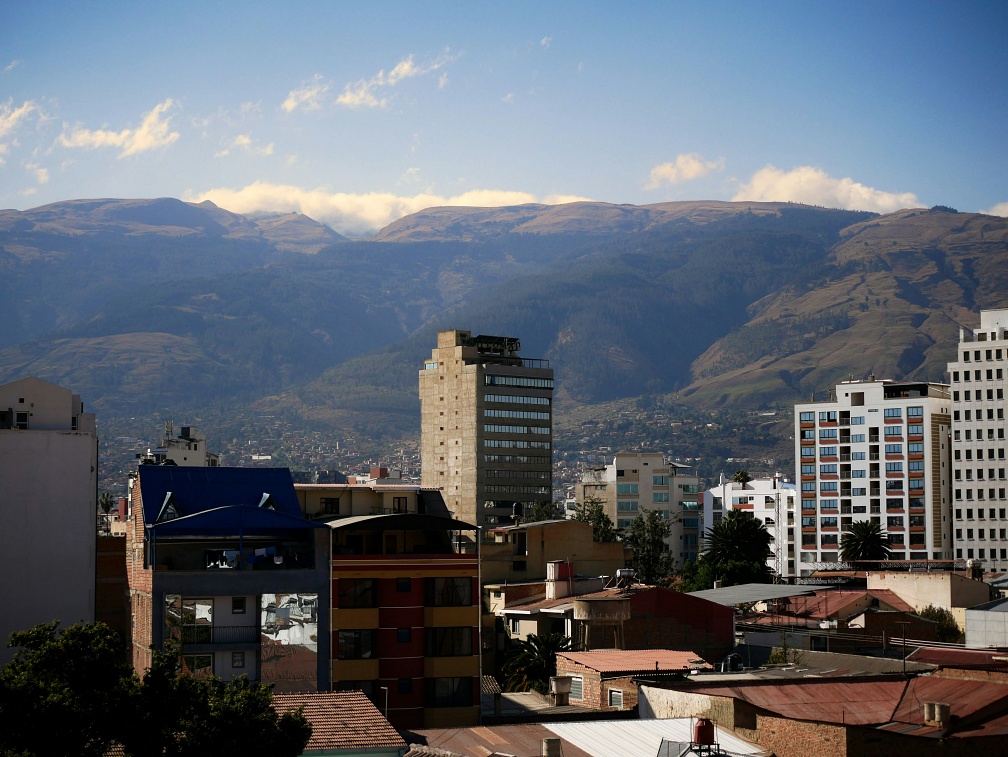
Cochabamba is one of Bolivia’s most livable cities for a medium-term stay. It sits at a lower altitude than La Paz, has a mild valley climate and is famous for generous food culture. Northern neighborhoods provide modern apartments, supermarkets and cafés at modest prices. The city is not built around foreign remote workers, so the experience rewards Spanish ability and self-sufficiency. Internet and utilities can be good but must be verified building by building. For travelers seeking affordability, local immersion and a climate suitable for everyday outdoor life, Cochabamba deserves more attention than it receives.
Need help moving to Cochabamba?
Compare trusted relocation providers for visas, housing, tax, moving and healthcare.
Cochabamba
Bolivia / South America
7.52
BEST FOR
budget, nomad, retiree
Lifestyle & Environment
QUICK FACTS
Safety
Internet
Tax
Visa
Climate
Healthcare
: Safe
: Average Speed
: Very Low
: No Visa Required
: Mild
: Moderate
travel tools
Smart travel setup for Cochabamba
Skip hours of research — here’s exactly how to plan your stay.
Best areas to stay
Queru Queru, Cala Cala, Recoleta, Muyurina, Tiquipaya
<p style="text-align: justify">Stay in the northern districts, verify utilities and plan extra flexibility around transport disruptions or civic strikes.</p>
View best stays →Mobile internet setup
Request a live fiber speed test, confirm water and power reliability and keep a local mobile hotspot.
Service quality varies substantially by building and provider.
Check eSIM →Best way to fly in
Use Jorge Wilstermann International Airport and keep extra connection time for domestic schedule changes.
International travel often requires a connection through Santa Cruz or La Paz.
Find flights →Travel insurance
Choose medical insurance with private-clinic access, altitude-related care and evacuation coverage.
Political disruption can affect transport, so trip interruption cover is valuable.
Get covered →Best first week plan
Visit La Cancha market|Ride to Cristo de la Concordia|Eat traditional cochabambino dishes|Explore Palacio Portales|Day trip to Torotoro National Park|Spend a weekend in Tiquipaya
Explore →