
WHY STAY IN Abuja
Nigeria with more space and less chaos.
Abuja is Nigeria’s most organized major city, offering calmer streets, government infrastructure, and more predictable daily life than Lagos.
City Insights for Abuja
Is Abuja Right for You?
Who this city is perfect for
Abuja is a strong fit for: professionals entrepreneurs diplomats government employees executives remote workers with high incomes returning diaspora The city especially appeals to people who value: clean urban planning peaceful neighborhoods modern infrastructure security organized living spacious residential areas Abuja works particularly well for people who want: a calmer alternative to Lagos a modern African capital business opportunities upscale residential communities an organized lifestyle We emphasize: peace cleanliness aesthetics structure quality of life These advantages come at a significant financial cost.
Who should avoid this city
People looking for: inexpensive living budget accommodation low monthly expenses cheap utilities affordable luxury may eventually struggle here. It may also not suit people who: relocate without substantial savings underestimate inflation rely on modest local salaries expect Nigeria to be inexpensive simply because of exchange rates Abuja rewards: financial stability careful budgeting long-term planning far more than spontaneous relocation. One major hidden reality: Abuja is far more expensive than many Nigerians in the diaspora expect, especially for anyone seeking a comfortable middle- or upper-middle-class lifestyle.
Best neighborhoods
Maitama, Wuse 2, Asokoro, Garki, Jabi. Maitama Best for: diplomats executives luxury living Typical housing: Two-bedroom apartment: ₦7–15 million/year Luxury duplexes: ₦30 million+ Guzape Best for: professionals high-income residents executives Housing prices are similar to Maitama, reflecting Abuja's premium residential market. Asokoro Best for: affluent professionals diplomats long-term residents Asokoro among Abuja's most prestigious residential districts. Kubwa Best for: budget-conscious professionals first-time residents One-bedroom apartment: approximately ₦1.5–3 million/year Even these traditionally more affordable areas are becoming increasingly expensive. Karu Abuja's relatively affordable residential areas, though rents are rising steadily.
What You Should Know
Remote work reality
Remote work is possible with the right apartment and backup systems. Reliable power matters as much as internet, and most daily life is easier with a car or trusted driver. Abuja works well for remote professionals because it offers: modern neighborhoods stable business environment attractive cafés peaceful surroundings government and business connectivity However, one hidden reality: Remote workers earning local salaries may struggle to maintain the lifestyle often portrayed on social media.
Tax reality
Nigeria’s tax exposure depends on residency, local work, and business structure. Professional advice is important for anything beyond a short visit.
Hidden considerations
Abuja’s best quality is emotional space. Compared with Lagos, it gives foreigners more room to breathe, but less creative and commercial intensity. One of Abuja’s biggest hidden challenges is: lifestyle inflation. Abuja creates social pressure to spend money on: upscale restaurants luxury cafés fashionable venues appearances Many residents unknowingly increase their monthly spending simply to keep up with the city’s social expectations. Another major insight: Diaspora returnees often underestimate Abuja’s true cost. Those earning foreign currencies not to assume Nigeria automatically offers inexpensive living. – Housing Reality One hidden reality: The advertised rent is often only part of the total housing cost. Additional expenses may include: agency commissions service charges security fees estate maintenance These recurring charges can significantly increase annual housing costs beyond the advertised rent. – Lifestyle Reality One hidden advantage: Despite its cost, Abuja offers one of Africa’s most organized capital-city environments. clean streets orderly neighborhoods peaceful atmosphere modern infrastructure These qualities explain why many Nigerians relocating from abroad choose Abuja despite its higher living costs. – Economic Reality Two broader economic pressures affecting daily life: inflation above 19% significant depreciation of the Nigerian naira against the U.S. dollar These factors have substantially reduced purchasing power and contributed to the rapid increase in housing, groceries, transportation, and utility costs. – Lifestyle Notes Abuja combines: organized urban planning peaceful residential districts modern infrastructure strong government presence attractive upscale neighborhoods Compared with Lagos, Abuja is: calmer cleaner more aesthetically pleasing less chaotic while also emphasizing that this higher quality of life comes with one of the highest living costs in Nigeria. For professionals, entrepreneurs, and returning members of the diaspora who can comfortably afford it, Abuja offers a stable and attractive long-term base—but realistic budgeting is essential.
Healthcare notes
Private clinics are available, but complex or emergency care may still require Lagos or evacuation depending on the issue.
Visa Reality
Nigeria requires visa planning and is not designed for casual indefinite remote work. Business travelers should use the correct visa category.
COST OF LIVING
Monthly Budget Min.
Monthly Budget Max.
Average Rent (1BR)
Food Cost
Transport Cost
Coworking Cost
Utilites Cost
Gym Cost
$1800
$3800
$1200
$480
$220
$160
$180
$55
Real cost breakdown
Abuja is not cheap if you want secure housing, generator-backed buildings, private transport, international groceries, and premium gyms. Local basics cost less, but foreigner-friendly comfort raises the budget. – Housing Premium districts: Two-bedroom apartment: ₦7–15 million/year Luxury duplex: ₦30 million+ Affordable districts: One-bedroom apartment: ₦1.5–3 million/year Additional monthly costs often include: service charges estate levies security fees These extra charges at approximately: ₦100,000–200,000/month for many gated communities. – Utilities Electricity bill: ₦15,000–25,000/month Generator fuel, diesel, maintenance: ₦50,000–100,000/month Water: approximately ₦30,000/month Internet, TV, subscriptions: approximately ₦45,000/month Estimated utilities total: approximately ₦140,000/month One hidden reality: Because public electricity can be unreliable, generator costs become a significant part of the monthly budget. – Groceries Single person: Basic groceries: ₦100,000–150,000/month Including imported or premium products: up to ₦200,000/month Grocery prices are considerably higher than many newcomers expect. – Transportation Ride-hailing trips: approximately ₦2,000–10,000 per trip Personal vehicle fuel: approximately ₦60,000–120,000/month Estimated Uber budget: approximately ₦90,000/month – Soft Life Budget Typical spending on: restaurants cafés spa visits skincare social events lifestyle activities Estimated monthly budget: ₦250,000–500,000 – Estimated Comfortable Monthly Budget Comfortable lifestyle for one person requires approximately: ₦1.3–2.2 million/month comfortable living not extravagant luxury excluding school fees and investments One hidden reality: A member reportedly spent approximately: ₦1.9 million/month without realizing how quickly expenses accumulated.
INTERNET
Avg. Internet Speed
Slow
Internet Notes
Internet can be adequate in Maitama, Wuse 2, Asokoro, and Jabi, but power backup is essential for real reliability.
CLIMATE
Avg. Summer Temp.
Avg. Winter Temp.
Humidity
Rain
Sunshine
24.4
26.7
Moderate
Moderate
High
Climate Notes
Abuja is hot but less humid than Lagos, with a clearer dry season and a rainy season that changes road and outdoor conditions.
VISA
Visa Status
Visa Type
Long Stay Possible
Visa Required 30
Nigeria Tourist or Business Visa
no
Visa requirements may vary depending on your nationality. The information provided here reflects the general visa conditions of the country.
MORE INFO
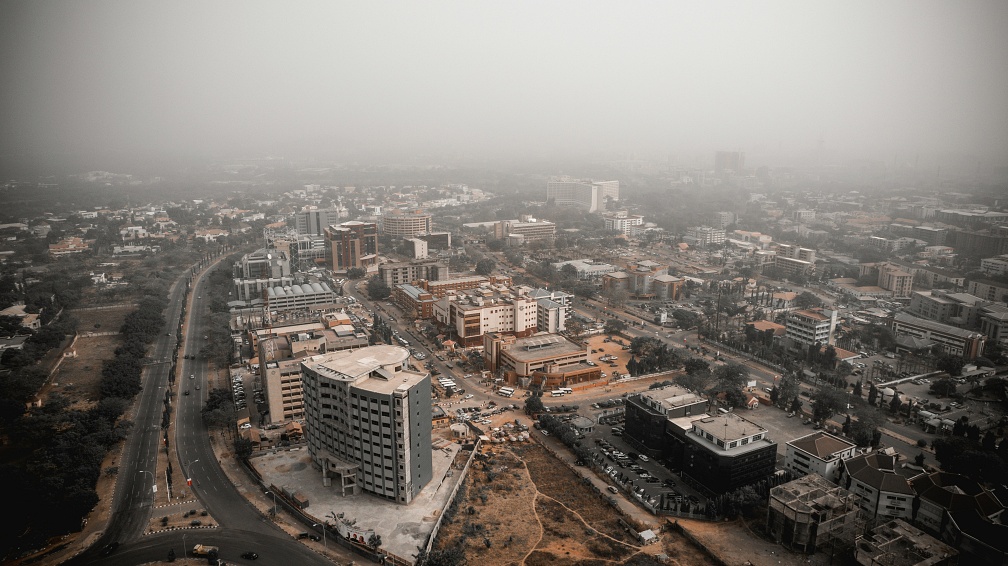
Abuja feels very different from Lagos. It is planned, spacious, greener, and more orderly, with government districts, diplomatic presence, and residential compounds shaping daily life. For remote workers or business travelers who need Nigeria exposure with less chaos, Abuja is the easier base. It is still not a low-friction nomad destination: security awareness, private transport, power backup, and trusted local support matter.
Need help moving to Abuja?
Compare trusted relocation providers for visas, housing, tax, moving and healthcare.
Abuja
Nigeria / Africa
5.09
BEST FOR
Business, Lifestyle
Lifestyle & Environment
QUICK FACTS
Safety
Internet
Tax
Visa
Climate
Healthcare
: High Risk
: Slow
: Very Low
: Visa Required
: Hot
: Limited
travel tools
Smart travel setup for Abuja
Skip hours of research — here’s exactly how to plan your stay.
Best areas to stay
Maitama, Wuse 2, Asokoro, Jabi
Maitama and Asokoro are calmer and more upscale, while Wuse 2 is better for restaurants, cafes, and daily convenience.
View best stays →Mobile internet setup
Fiber or fixed wireless with MTN/Airtel mobile backup and generator-backed building
Ask about generator hours, inverter systems, and mobile signal before booking a long stay.
Check eSIM →Best way to fly in
Nnamdi Azikiwe International Airport has solid domestic and regional links, with Lagos often useful for broader international options.
Arrange trusted airport transport in advance rather than relying on arrival improvisation.
Find flights →Travel insurance
Comprehensive medical and evacuation insurance is strongly recommended.
Private care exists, but evacuation coverage provides a safety net for serious emergencies.
Get covered →Best first week plan
Jabi Lake, arts and craft markets, Aso Rock views, Millennium Park, Nigerian restaurants, Zuma Rock day trip
Explore →