
WHY STAY IN Busan
Korean efficiency with ocean air.
Busan offers South Korea’s infrastructure and safety with a more relaxed coastal rhythm than Seoul.
City Insights for Busan
Is Busan Right for You?
Who this city is perfect for
Busan is a strong fit for remote workers, beach lovers, introverts, expats, students, creatives, and people looking for a calmer Korean city with strong infrastructure and coastal lifestyle balance. The city especially appeals to people who value: beaches cafés public transportation walkability mountains coastal living lower stress safety modern infrastructure Busan works particularly well for people who want: Korean city life without Seoul intensity relaxed atmosphere beach access hiking slower routines modern conveniences Compared to Seoul, Busan feels: more laid back less overwhelming more nature-connected less rushed
Who should avoid this city
People looking for: nonstop nightlife hyper-competitive corporate culture massive international networking scenes extremely fast-paced lifestyles may eventually feel limited in Busan long term. It may also not suit people who: dislike humidity prefer highly urbanized environments need constant business networking require extensive English-speaking environments everywhere The city rewards slower pacing and lifestyle balance more than aggressive hustle culture.
Best neighborhoods
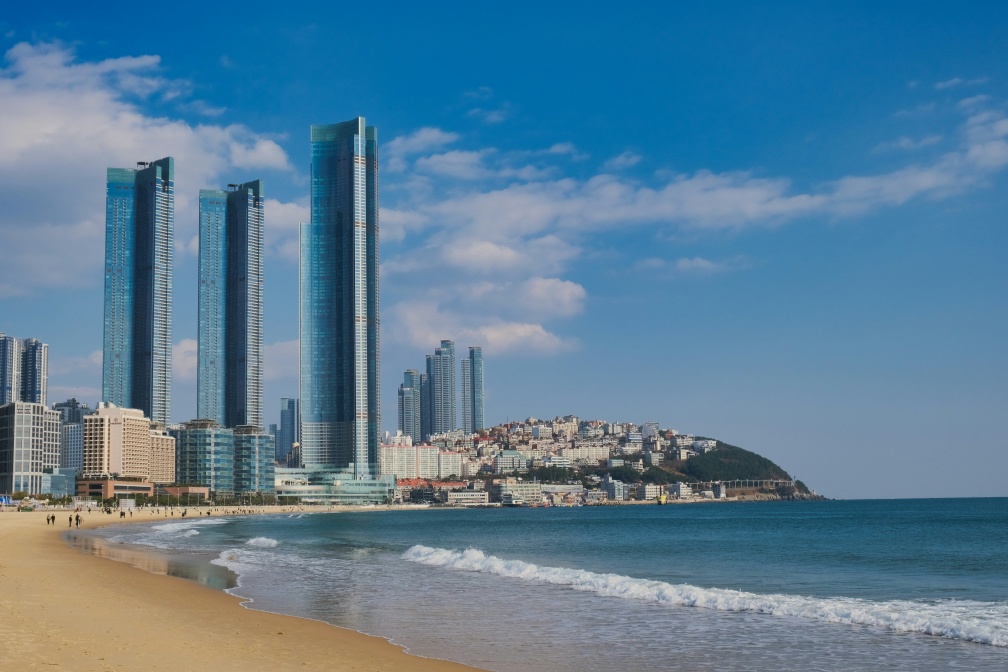
Haeundae, Gwangalli, Seomyeon, Marine City. The city’s strongest lifestyle zones tend to revolve around: beach areas café districts mountain-access neighborhoods subway-connected zones Busan’s major lifestyle advantage is diversity between neighborhoods. Different areas support: surfing nightlife cafés hiking shopping quieter residential living all within the same city. One major hidden advantage: many neighborhoods still feel more local and residential compared to Seoul’s heavier density and tourism intensity.
What You Should Know
Remote work reality
Busan works very well for remote workers who prioritize: calmness, lifestyle, cafés, beach access, lower stress, modern infrastructure. The city supports: coworking-style, cafés, efficient transportation, reliable technology, modern delivery systems, flexible daily routines.
One major emotional advantage is: pace. Busan encourages: slower movement, less rushing, more relaxed routines, enjoying scenery, outdoor living compared to highly competitive urban environments. The city especially works well for: freelancers, writers, content creators, remote workers, creatives, lifestyle-focused expats.
Tax reality
The file does not focus directly on taxes, but Busan’s biggest practical advantages revolve around: infrastructure efficiency public transportation affordable transit lower stress daily living rather than aggressive wealth-building or tax optimization. The city especially suits: stable remote earners teachers online workers lifestyle-oriented expats
Hidden considerations
One of Busan’s biggest hidden strengths is emotional softness. The atmosphere feels: calmer friendlier more patient less aggressive than many large global cities. Another major insight is: locals often make visible effort to help foreigners. Even when English is limited: translation apps phone translators patient communication make daily life easier than many foreigners initially expect. Another important hidden reality: Busan feels heavily connected to nature despite being a major city. The combination of: beaches mountains cafés urban districts walking culture creates unusually balanced daily life. One major emotional advantage repeatedly emphasized: the city encourages slowing down mentally. Compared to: New York Los Angeles larger high-pressure cities Busan feels: less rushed less exhausting more emotionally manageable
Healthcare notes
Healthcare quality is excellent, efficient, and generally easier to access than in many Western countries. technology integration Organization public systems transportation efficiency significantly reduce many common daily stressors. The city’s: safety convenience reliability also contribute heavily to emotional comfort for foreigners adjusting to life abroad.
Visa Reality
Busan naturally attracts: English teachers students remote workers expats creatives because it combines: Korean infrastructure coastal lifestyle lower pressure living affordability relative to Seoul The city appears especially attractive for foreigners seeking: long-term adjustment calmer adaptation softer landing into Korean life rather than immediate high-intensity urban immersion.
COST OF LIVING
Monthly Budget Min.
Monthly Budget Max.
Average Rent (1BR)
Food Cost
Transport Cost
Coworking Cost
Utilites Cost
Gym Cost
$1800
$3300
$1000
$550
$70
$170
$160
$55
Real cost breakdown
Busan generally offers: lower rent, lower overall stress, slightly lower daily costs, compared to Seoul.
One major hidden financial advantage is: quality-of-life efficiency. The city naturally supports: public transportation, walking, beach lifestyle, lower transportation expenses, affordable local dining. Taxi culture is reliable, affordable, safer feeling than expected. Transportation remains highly practical through: subway systems, buses, taxis, T-money transportation cards.
INTERNET
Avg. Internet Speed
Very Fast
Internet Notes
South Korea’s digital infrastructure remains one of Busan’s strongest advantages. The city fully supports: remote work streaming navigation apps translation tools delivery apps online business Apps like: Papago transportation apps mobile translation systems become deeply integrated into everyday life for foreigners.
CLIMATE
Avg. Summer Temp.
Avg. Winter Temp.
Humidity
Rain
Sunshine
24.5
4.6
High
Medium
High
Climate Notes
Summers are humid and typhoon season can affect travel; winters are cold but milder than Seoul. Busan’s coastal climate strongly shapes its atmosphere and lifestyle. The city offers: beaches ocean air mountain hiking surfing waterfront cafés outdoor walking culture One major lifestyle advantage: easy access to both: city life nature within short distances. The climate and geography strongly support: slower living outdoor exercise beach routines hiking culture café hopping scenic daily movement throughout the city. Compared to many dense global cities, Busan feels noticeably: more breathable more spacious more relaxed emotionally while still maintaining strong urban infrastructure.
VISA
Visa Status
Visa Type
Long Stay Possible
Visa Required 90
Tourist Stay, Workation-Type Options
yes
Visa requirements may vary depending on your nationality. The information provided here reflects the general visa conditions of the country.
MORE INFO
Busan is one of the strongest Asian options for remote workers who want fast internet, excellent public transport, good healthcare, and beach access. It is less internationally dense than Seoul, but often more livable for people who prefer ocean views and a slower pace. Haeundae and Gwangalli are the obvious lifestyle zones, while Seomyeon is more central and practical.
Need help moving to Busan?
Compare trusted relocation providers for visas, housing, tax, moving and healthcare.
Busan
South Korea / Asia
7.81
BEST FOR
Nomad, Lifestyle, Beach
Lifestyle & Environment
QUICK FACTS
Safety
Internet
Tax
Visa
Climate
Healthcare
: Very Safe
: Very Fast
: Moderate
: Visa Required
: Mild
: Excellent
travel tools
Smart travel setup for Busan
Skip hours of research — here’s exactly how to plan your stay.
Best areas to stay
Haeundae, Gwangalli, Seomyeon
Haeundae is polished and beachy; Seomyeon is more practical for transport.
View best stays →Mobile internet setup
KT, SK Broadband, LG U+
Even cafes often have excellent Wi-Fi, but apartment contracts matter.
Check eSIM →Best way to fly in
Gimhae Airport has regional routes; Seoul may be better for long-haul flights.
KTX to Seoul is useful when flights are limited.
Find flights →Travel insurance
International insurance is recommended despite affordable local care.
Coverage helps with private clinics and unexpected hospital visits.
Get covered →Best first week plan
Haeundae Beach, Gwangalli Bridge, Jagalchi Market, Gamcheon Culture Village, temple visits
Explore →