
WHY STAY IN Bergen
Remote work between rain, fjords, and mountain trails.
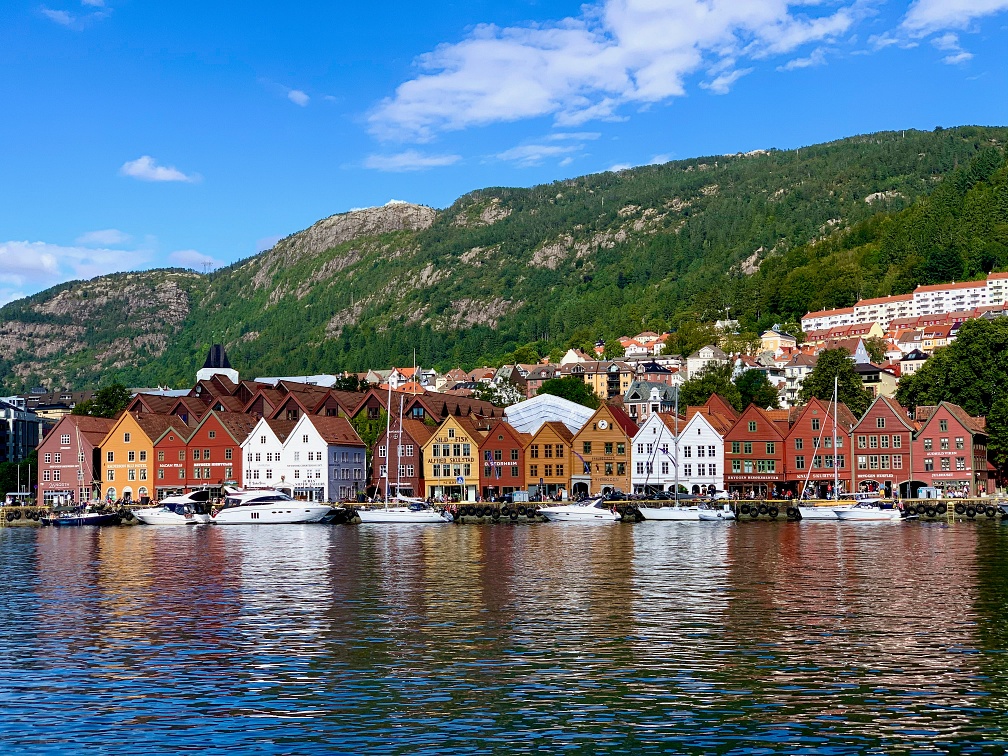
Bergen offers world-class nature access, Norwegian safety, strong infrastructure, and a compact harbor-city lifestyle surrounded by mountains and fjords.
City Insights for Bergen
Is Bergen Right for You?
Who this city is perfect for
Bergen is an excellent fit for: digital nomads remote workers solo travelers students professionals outdoor enthusiasts retirees slow travelers The city especially appeals to people who value: nature walkability public transportation hiking high quality of life safety Bergen works particularly well for people who want: Scandinavian living mountain and fjord access compact city life excellent public infrastructure outdoor activities without needing a car Bergen's reputation as an "impossibly expensive" city is exaggerated if you adopt local habits instead of tourist spending patterns.
Who should avoid this city
People looking for: luxury hotels on a modest budget frequent restaurant dining consistently sunny weather car-dependent lifestyles may struggle. It may also not suit people who: dislike rain book accommodation last minute expect low Scandinavian prices avoid walking Bergen rewards: advance planning cooking at home hiking public transport far more than convenience spending. One major hidden reality: Timing your booking is one of the biggest factors determining your overall budget. Booking several months early can reduce accommodation costs by roughly half.
Best neighborhoods
Sentrum, Nordnes, Sandviken, Møhlenpris, Nygårdshøyden. - City Centre Best for: first-time visitors remote workers people without a car Advantages: walkability museums restaurants public transport harbor historic attractions - Sandviken Recommended for: longer stays private rentals budget-conscious travelers One hidden advantage: Private Airbnb rooms can often be significantly cheaper than city-centre accommodation while remaining only 10–15 minutes away via public transport. Årstad Recommended for: professionals longer-term visitors Typical private room: approximately US$75/night with private bathroom and kitchenette.
What You Should Know
Remote work reality
Remote work is technically excellent. Fiber, mobile coverage, libraries, cafes, and calm housing support productivity; the challenge is cost and winter mood. Bergen works well for remote workers because it offers: compact walkable neighbourhoods reliable public transport hostel kitchens affordable supermarkets numerous cafés One hidden advantage: Remote workers staying several weeks can dramatically reduce expenses by cooking at home while enjoying free outdoor recreation.
Tax reality
Norway has high taxes for residents and strong compliance expectations. Long stays, employment, or business activity require proper planning.
Hidden considerations
The rain is central to the Bergen experience. People who build routines around waterproof clothing, hiking, indoor cafes, and seasonal expectations do much better. One of Bergen’s biggest hidden strengths is: its outdoor recreation. Many of the city’s best experiences cost nothing, including: hiking lakes viewpoints historic neighborhoods walking tours fortress grounds Another major insight: Tourists often overspend by following guidebooks. Avoid: airport bus fish market meals expensive hotel breakfasts last-minute accommodation bookings These four choices alone account for much of the unnecessary spending. – Food Reality One hidden advantage: Local restaurants outside the tourist areas often provide significantly better value. Recommended local options include: traditional fish cake restaurants local hot dog stands Norwegian home-style restaurants Ethiopian cuisine Eating full meals at the famous fish market due to the high prices. – Transportation Reality One of Bergen’s strongest advantages is that the city centre is highly walkable. Many attractions are within: 10–15 minutes of each other. As a result, visitors can substantially reduce transportation costs by combining walking with occasional use of the light rail. Bergen combines: spectacular mountain scenery fjord access excellent public transport outdoor recreation compact urban living Despite being one of Scandinavia’s most expensive cities, Bergen can be surprisingly affordable for travelers and long-term visitors who adopt local habits such as booking early, cooking meals, shopping at discount supermarkets, hiking instead of paying for attractions, and making full use of the city’s excellent walking and public transport infrastructure.
Healthcare notes
Healthcare quality is excellent for eligible residents, while visitors need insurance for private or emergency care.
Visa Reality
Schengen rules apply for many short visitors. Long stays require Norwegian or EU/EEA residency routes.
COST OF LIVING
Monthly Budget Min.
Monthly Budget Max.
Average Rent (1BR)
Food Cost
Transport Cost
Coworking Cost
Utilites Cost
Gym Cost
$3600
$6500
$2100
$950
$100
$280
$240
$70
Real cost breakdown
Bergen is expensive across rent, groceries, restaurants, and services. Living car-free helps because the center is compact and public transport is good, but Norway pricing remains the main constraint. – Accommodation Hostel (approx.): approximately US$50/night Summer last-minute rates: approximately NOK 900–1,100/night Booking 75+ days ahead: approximately NOK 450–500/night One hidden reality: Waiting until shortly before arrival can increase hostel prices by 50–60%. – Food Daily food budget: approximately US$11.50–16 Eq.: Traditional fish cakes: approximately NOK 110 Breakfast prepared at hostel: approximately US$2–3/day Packed supermarket lunch: approximately US$3–5/day Home-cooked dinner: approximately US$6–7 We recommend shopping at: Rema 1000 Kiwi instead of tourist-oriented supermarkets. – Transportation Total transportation: US$64.20 Airport light rail: approximately NOK 44 (about US$4.20) Airport bus: approximately NOK 189 (about US$18) One hidden advantage: The light rail over the airport bus, saving roughly US$14 immediately after arrival. – Bergen Card 48-hour Bergen Card: approximately NOK 440 (about US$42–52, depending on exchange rate) Includes: unlimited public transport museum admission discounts – Activities Total activity spending: approximately US$32 Free walking tour: tip approximately US$11.50 – Fløibanen One-way ticket: approximately NOK 105 (about US$9–10) We recommend taking the funicular uphill hiking down for free instead of purchasing a round-trip ticket. – Estimated Budget Approximately US$83/day This includes: accommodation transportation food museums hiking local restaurants Common tourist budgets exceeding US$200/day.
INTERNET
Avg. Internet Speed
Very Fast
Internet Notes
Broadband and mobile networks are excellent, with strong reliability even by Nordic standards.
CLIMATE
Avg. Summer Temp.
Avg. Winter Temp.
Humidity
Rain
Sunshine
13.7
2
High
Very High
Low
Climate Notes
Bergen is cool and very rainy, with mild winters by Norwegian standards and short, beautiful summers. One hidden reality: Rain. Over 250 rainy days per year Purchasing a quality waterproof jacket before arriving rather than buying one locally.
VISA
Visa Status
Visa Type
Long Stay Possible
Visa Required 90
Schengen 90/180 Rule or Norwegian Residency
Yes
Visa requirements may vary depending on your nationality. The information provided here reflects the general visa conditions of the country.
MORE INFO
Bergen is one of Europe’s most beautiful small-city bases for remote workers who value nature more than nightlife. The city is compact, walkable, extremely safe, and surrounded by mountains, islands, and fjords that make outdoor routines part of daily life. It is expensive, rainy, and socially reserved, but infrastructure is excellent and the quality of life is very high for people who can handle gray weather. Bergen is best for focused work, hiking, and slow Nordic living.
Need help moving to Bergen?
Compare trusted relocation providers for visas, housing, tax, moving and healthcare.
Bergen
Norway / Europe
6.73
BEST FOR
Lifestyle, Business
Lifestyle & Environment
QUICK FACTS
Safety
Internet
Tax
Visa
Climate
Healthcare
: Very Safe
: Very Fast
: Moderate
: Visa Required
: Cool
: Excellent
travel tools
Smart travel setup for Bergen
Skip hours of research — here’s exactly how to plan your stay.
Best areas to stay
Sentrum, Nordnes, Sandviken
Nordnes and Sandviken offer strong local character and harbor access, while Sentrum is best for daily convenience and transit.
View best stays →Mobile internet setup
Telenor or Telia fiber/home broadband
Most central apartments are reliable for remote work; check workspace comfort and heating as carefully as speed.
Check eSIM →Best way to fly in
Bergen Airport has strong domestic links and selected European routes.
Oslo may offer broader long-haul options, but Bergen is very well connected within Norway.
Find flights →Travel insurance
Schengen-compliant medical insurance is recommended for non-EU visitors.
Norway has excellent care, but non-residents need proper coverage for costs and eligibility.
Get covered →Best first week plan
Fløyen hikes, Bryggen, fjord trips, Nordnes walks, fish market, island ferries, rainy-day cafes
Explore →