
WHY STAY IN Oslo
A capital city built around nature and order.
Oslo offers rare capital-city access to forests, fjord life, skiing, safety, and excellent infrastructure, but at a high Nordic cost.
City Insights for Oslo
Is Oslo Right for You?
Who this city is perfect for
Oslo is an excellent fit for highly skilled professionals, remote workers, engineers, academics, entrepreneurs, families, and retirees with strong financial resources. It particularly suits people who value safety, clean urban environments, outdoor recreation, reliable public services, and long-term stability over nightlife or low living costs. Those who enjoy hiking, skiing, and a structured lifestyle often adapt exceptionally well.
Who should avoid this city
Oslo is less suitable for budget-conscious newcomers, people seeking spontaneous social culture, or anyone expecting inexpensive dining, housing, or personal services. Those who dislike long, dark winters, rigid administrative processes, or quieter social norms may struggle with long-term adjustment. Individuals relying on casual employment without Norwegian language skills should also expect significant challenges.
Best neighborhoods
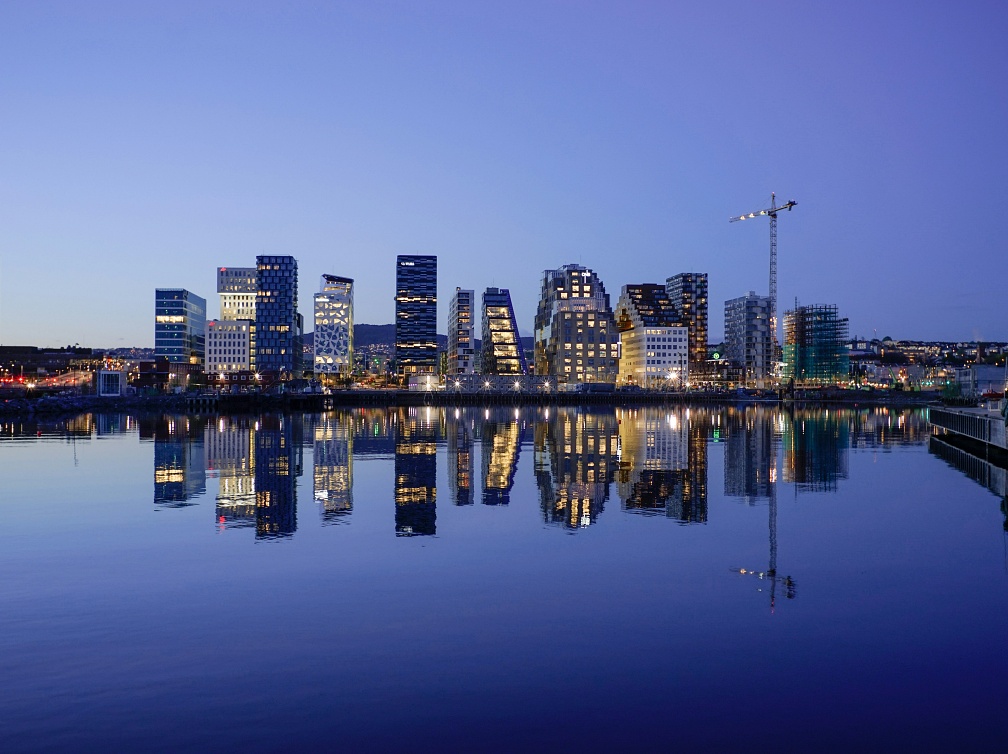
Frogner is one of Oslo's most prestigious residential districts with elegant apartments and excellent parks. Majorstuen combines shopping, transport, cafés, and urban convenience. Grünerløkka attracts creatives, young professionals, and remote workers with independent cafés and vibrant local culture. St. Hanshaugen offers a quieter residential atmosphere close to the city center, while Tjuvholmen and Aker Brygge provide premium waterfront living with restaurants, offices, and modern luxury apartments.
What You Should Know
Remote work reality
Oslo is one of Europe’s strongest cities for remote professionals. High-speed fiber internet, extensive coworking spaces, excellent cafés, and reliable digital infrastructure make remote work effortless. English is widely spoken within international companies and technology sectors, although learning Norwegian significantly improves long-term career opportunities and social integration. The city’s emphasis on work-life balance allows many professionals to combine demanding careers with regular outdoor activities throughout the year.
Tax reality
Norway applies progressive taxation alongside a strong social welfare model that funds healthcare, education, transport, and public services. While tax rates are relatively high compared with many countries, residents generally receive extensive public benefits in return. Remote workers, investors, entrepreneurs, and internationally mobile professionals should seek specialist tax advice before establishing Norwegian tax residency, particularly regarding worldwide income and treaty obligations.
Hidden considerations
Oslo rewards patience rather than speed. Newcomers often discover that social relationships develop slowly but become exceptionally dependable over time. Rather than revolving around nightlife, much of local life centers on nature, seasonal activities, neighborhood communities, and outdoor recreation. Living here often shifts priorities away from constant consumption toward stability, health, and predictable daily routines. Access to forests, fjords, ski trails, and islands within minutes of downtown is one of Oslo’s greatest long-term lifestyle advantages.
Healthcare notes
Oslo offers some of Europe’s highest-quality healthcare through Norway’s public health system, anchored by Oslo University Hospital and numerous specialist medical centers. Eligible residents receive comprehensive healthcare services, although waiting times may exist for non-urgent treatments. Many professionals also carry supplementary private insurance to accelerate access to selected specialist services. Healthcare quality consistently ranks among Norway’s strongest advantages.
Visa Reality
Long-term residence generally requires an appropriate Norwegian residence permit based on employment, family reunification, study, or other qualifying categories. Citizens of EU/EEA countries benefit from different residency rules than most non-European nationals. Applicants should secure employment or another qualifying basis before relocating, as Norway’s immigration system places significant emphasis on proper documentation and legal residency status.
COST OF LIVING
Monthly Budget Min.
Monthly Budget Max.
Average Rent (1BR)
Food Cost
Transport Cost
Coworking Cost
Utilites Cost
Gym Cost
$3900
$7200
$2300
$1000
$90
$320
$250
$75
Real cost breakdown
Oslo consistently ranks among Europe’s most expensive cities, with housing representing the largest monthly expense. Grocery prices, restaurants, personal services, and entertainment all command premium prices due to Norway’s high wage economy. However, residents benefit from excellent public infrastructure, efficient transportation, low crime, and exceptional public amenities. Many locals dine out less frequently than in southern Europe, instead prioritizing outdoor recreation and home-based social gatherings. A substantial financial buffer is strongly recommended for newcomers during their first months.
INTERNET
Avg. Internet Speed
Very Fast
Internet Notes
Oslo has world-class digital infrastructure with widespread fiber broadband, excellent 5G coverage, and highly reliable internet throughout the metropolitan area. Connections comfortably support software development, cloud computing, streaming, and professional video conferencing, making the city one of Europe's leading destinations for technology professionals and remote workers.
CLIMATE
Avg. Summer Temp.
Avg. Winter Temp.
Humidity
Rain
Sunshine
16.1
-5
Moderate
High
Low
Climate Notes
Oslo experiences four distinct seasons with warm, pleasant summers and long, cold winters. Winter daylight becomes very limited, making seasonal routines and outdoor activity important for many residents. Snow is common, skiing is integrated into everyday life, and locals continue spending significant time outdoors regardless of weather. Spring and summer bring long daylight hours, while autumn transforms the surrounding forests into vibrant landscapes just minutes from the city center.
VISA
Visa Status
Visa Type
Long Stay Possible
Visa Required 90
Schengen 90/180 Rule or Norwegian Residency
Yes
Visa requirements may vary depending on your nationality. The information provided here reflects the general visa conditions of the country.
MORE INFO
Oslo is one of Europe’s best capitals for people who want urban function and nature in the same daily routine. The city has excellent public transport, strong internet, high safety, clean design, fjord swimming, forest trails, skiing, and a professional Nordic economy. It is expensive and socially reserved, and winter darkness can be difficult, but the quality of life is outstanding for people who actively use the outdoors.
Need help moving to Oslo?
Compare trusted relocation providers for visas, housing, tax, moving and healthcare.
Oslo
Norway / Europe
6.4
BEST FOR
Lifestyle, Business, Nomad
Lifestyle & Environment
QUICK FACTS
Safety
Internet
Tax
Visa
Climate
Healthcare
: Very Safe
: Very Fast
: Moderate
: Visa Required
: Cold
: Excellent
travel tools
Smart travel setup for Oslo
Skip hours of research — here’s exactly how to plan your stay.
Best areas to stay
Grünerløkka, Frogner, Majorstuen, Tøyen
Grünerløkka is best for cafes and social life, while Frogner and Majorstuen are calmer and more polished.
View best stays →Mobile internet setup
Telenor, Telia, or Altibox fiber
Connectivity is very reliable; prioritize apartment light, heating, and winter comfort.
Check eSIM →Best way to fly in
Oslo Airport is well connected across Europe and selected long-haul routes.
Airport rail is efficient, making travel friction much lower than in many capitals.
Find flights →Travel insurance
Schengen-compliant medical insurance is recommended for non-EU visitors.
Norwegian healthcare is excellent, but non-residents need coverage.
Get covered →Best first week plan
Oslofjord swimming, Nordmarka hikes, Grünerløkka cafes, opera house, sauna culture, winter skiing, island ferries
Explore →