
WHY STAY IN Hamburg
Work-life balance city
Port city lifestyle
City Insights for Hamburg
Is Hamburg Right for You?
Who this city is perfect for
Hamburg is a strong fit for people who want a calmer, cleaner, and more visually refined version of big-city Germany. It works especially well for professionals, creatives, remote workers, students, and expats looking for urban life without the intensity and chaos often associated with Berlin. The city particularly appeals to people who value: walkability architecture waterfront living cultural balance quieter lifestyles organized infrastructure access to nature and parks Compared to Berlin, Hamburg feels more polished, slower, and emotionally stable while still offering strong cultural life and international energy.
Who should avoid this city
People looking for ultra-cheap Germany, nonstop nightlife, or highly chaotic creative energy may eventually find Hamburg too restrained and expensive. It may also not suit people who strongly dislike gray weather, rain, or colder northern European climates. Hamburg’s atmosphere is heavily shaped by water, clouds, and long darker seasons. Professionals in highly creative industries may also notice fewer opportunities compared to Berlin, especially without strong German language skills or local networks.
Best neighborhoods
Hamburg offers very different experiences depending on district. The city center and waterfront areas provide: walkability cafés shopping museums modern offices historic architecture Meanwhile, districts near canals, parks, and quieter residential areas create a much calmer daily rhythm than most people expect from a large German city. The Reeperbahn area is one of the city’s most famous nightlife zones and red-light districts, filled with: clubs bars nightlife party tourism However, it can also feel uncomfortable or unsafe for some people, especially late at night. One of Hamburg’s strongest neighborhood advantages is how closely urban life blends with water, parks, canals, and open public space.
What You Should Know
Remote work reality
Hamburg works very well for remote workers who want balance and structure instead of hyperactive startup culture. The city supports: café work culture walking-based lifestyles cycling public transport quieter daily routines stable infrastructure Compared to Berlin, Hamburg feels more mature and less chaotic for long-term living. Remote workers who prioritize emotional stability, aesthetics, and quality-of-life routines often prefer Hamburg over Germany’s more intense cities. At the same time, creative-industry opportunities can feel more limited than Berlin unless you already have strong professional connections or German language skills.
Tax reality
High tax
Hidden considerations
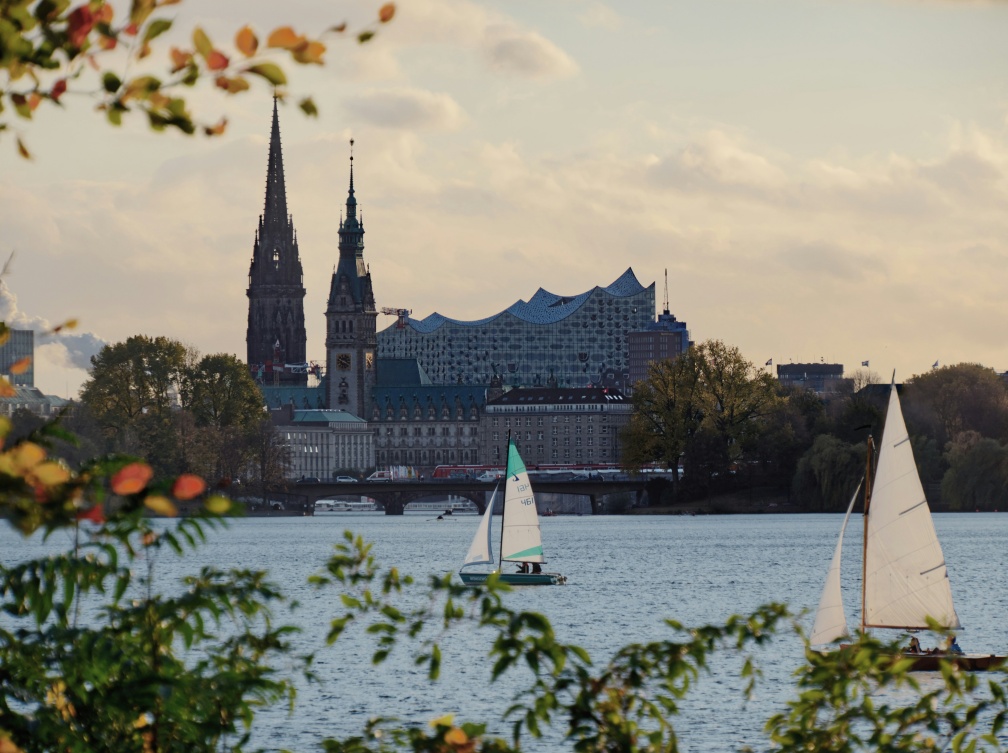
One of Hamburg’s biggest hidden strengths is emotional atmosphere. The city feels calmer and more organized than many major European metros while still remaining lively and culturally active. Another major advantage is architectural consistency. Hamburg blends: historic warehouses brick architecture modern glass offices canals waterfront spaces in a way that creates one of Germany’s most visually cohesive urban environments. At the same time, the city is not as polished as many tourists initially imagine. There are visible issues with: homelessness dirty streets construction rough train station areas social inequality Like many large cities, Hamburg contains both highly affluent and visibly struggling districts. The city also benefits heavily from water culture. Canals, rivers, bridges, ferries, and waterfront spaces shape everyday life emotionally in ways similar to Amsterdam, though on a larger and less bicycle-dominated scale.
Healthcare notes
Hamburg benefits from Germany’s broader high-quality infrastructure and organized urban systems. The city’s strong economy and international business environment contribute to reliable public services and modern living standards overall.
Visa Reality
Hamburg is attractive for skilled international workers, especially in: logistics trade international business media technology maritime industries However, unlike Berlin, English-only lifestyles become more difficult long term. German language integration generally becomes more important professionally and socially.
COST OF LIVING
Monthly Budget Min.
Monthly Budget Max.
Average Rent (1BR)
Food Cost
Transport Cost
Coworking Cost
Utilites Cost
Gym Cost
$2600
$4600
$2200
$600
$150
$250
$220
$80
Real cost breakdown
Hamburg is considered one of Germany’s more expensive cities, often slightly more expensive than Berlin. Transportation: monthly transit pass: around €69 without the Deutschlandticket Deutschlandticket currently remains one of the best value options for mobility across Germany Museums and activities: Miniatur Wunderland: around €20 museum tickets: generally €6–20 depending on venue Daily life itself feels more expensive than smaller German cities, but salaries also tend to be higher, especially in corporate and international sectors. One important lifestyle factor is that Hamburg’s compact structure can reduce transportation costs significantly because many residents walk or bike regularly.
INTERNET
Avg. Internet Speed
Average Speed
Internet Notes
Hamburg’s infrastructure comfortably supports modern remote lifestyles. Public transportation, coworking-friendly spaces, cafés, and digital services function reliably for everyday life. The city also supports highly walkable living, which reduces day-to-day friction for remote workers and hybrid professionals.
CLIMATE
Avg. Summer Temp.
Avg. Winter Temp.
Humidity
Rain
Sunshine
18.3
3.3
High
Low
Medium
Climate Notes
Hamburg has a classic northern German climate: frequent rain cloudy skies cooler temperatures strong seasonal gray periods At the same time, the city’s connection to water creates a very distinctive atmosphere. Rivers, canals, ferries, and bridges soften the urban environment and give Hamburg a much calmer and more open feeling than many inland cities. Even during bad weather, outdoor life remains an important part of the city’s identity, especially for walking and cycling culture.
VISA
Visa Status
Visa Type
Long Stay Possible
Visa Required 90
Tourist Visa, Digital Nomad Visa, Work Visa, Residence Permit, Student Visa, Business Visa
yes
Visa requirements may vary depending on your nationality. The information provided here reflects the general visa conditions of the country.
MORE INFO
Relaxed vibe, strong economy, but grey weather.
Need help moving to Hamburg?
Compare trusted relocation providers for visas, housing, tax, moving and healthcare.
Hamburg
Germany / Western Europe
6.21
BEST FOR
Lifestyle, Business
Lifestyle & Environment
QUICK FACTS
Safety
Internet
Tax
Visa
Climate
Healthcare
: Very Safe
: Average Speed
: Very High
: Visa Required
: Cool
: Excellent
travel tools
Smart travel setup for Hamburg
Skip hours of research — here’s exactly how to plan your stay.
Best areas to stay
Sternschanze — best social atmosphere Eimsbüttel — calmer and residential HafenCity — modern and upscale
Rainy weather becomes part of daily routine.
View best stays →Mobile internet setup
Reliable internet across most neighborhoods.
Coworking infrastructure is strong and professional.
Check eSIM →Best way to fly in
Hamburg has excellent European connectivity.
Train travel is often faster than domestic flights.
Find flights →Travel insurance
Healthcare quality is world-class.
Insurance recommended for visitors and private clinics.
Get covered →Best first week plan
• Harbor walks • Café culture • Live music venues • Canal neighborhoods
Explore →