
WHY STAY IN Ulaanbaatar
A rugged capital for Mongolia-focused remote workers.
Ulaanbaatar offers Mongolia’s strongest services, internet, and international access, plus direct connection to steppe culture, but winter and air pollution are major challenges.
City Insights for Ulaanbaatar
Is Ulaanbaatar Right for You?
Who this city is perfect for
Ulaanbaatar is a strong fit for: adventurous expats remote workers English teachers mining professionals NGO workers entrepreneurs digital nomads seeking a unique experience The city especially appeals to people who value: adventure authentic culture low living costs outdoor lifestyle personal growth strong local traditions Ulaanbaatar works particularly well for people who want: a dramatically different lifestyle affordable urban living access to Mongolia's wilderness immersion in nomadic culture a tight-knit international community Moving to Mongolia is not simply relocating—it is choosing a fundamentally different way of life.
Who should avoid this city
People looking for: mild winters clean year-round air Western convenience predictable infrastructure luxury shopping may eventually struggle here. It may also not suit people who: dislike extreme cold have respiratory conditions are uncomfortable with cultural differences require advanced medical facilities nearby Ulaanbaatar rewards: resilience adaptability curiosity self-reliance far more than comfort and convenience. One major hidden reality: Winter air pollution as one of the city's biggest quality-of-life challenges, calling it one of the worst urban pollution problems in the world during the heating season.
Best neighborhoods
Sukhbaatar District, Seoul Street area, Zaisan, Khan-Uul, near State Department Store. Central Ulaanbaatar Best for: professionals expats remote workers Advantages: international restaurants supermarkets cafés nightlife private hospitals international schools expat community One hidden advantage: Nearly all services important to foreigners are concentrated within the capital.
What You Should Know
Remote work reality
Remote work is possible with fiber apartments, coworking, and mobile backup. Winter pollution and heating comfort matter as much as internet speed. Ulaanbaatar works surprisingly well for remote professionals because it offers: inexpensive internet affordable housing modern cafés growing international community However, one hidden reality: Winter air pollution can significantly affect daily routines, making indoor air purifiers and quality masks essential for long-term residents.
Tax reality
Mongolia tax exposure depends on residency and local income. Short stays are simpler, but local work or business activity should be reviewed.
Hidden considerations
Air quality is the hidden deal-breaker in winter. A good apartment with filtration and location away from worst pollution zones can change the experience. One of Ulaanbaatar’s greatest hidden strengths is: its contrast. Residents can enjoy: modern cafés international restaurants coworking-friendly environments while reaching Mongolia’s vast wilderness within a relatively short drive. Balance between modern city life and ancient nomadic culture as the city’s defining characteristic. Another major insight: Imported products remain expensive. While: local meat dairy vegetables are inexpensive, Western foods such as: imported cheese specialty cereals branded packaged foods carry significant price premiums. Adapting to local eating habits substantially lowers living costs. – Employment Reality Several fields where foreigners are most likely to find employment: mining English language teaching international schools NGOs United Nations organizations international development agencies One hidden advantage: Because the expat community is relatively small, networking plays a particularly important role in securing employment opportunities. – Lifestyle Reality One hidden advantage: The expat community is unusually close-knit. Because relatively few foreigners relocate to Mongolia, newcomers often receive practical assistance with: housing paperwork employment daily life This supportive community helps ease the adjustment to an otherwise challenging environment. Visitors are encouraged to: accept food and drinks when offered receive items with the right hand (or both hands) remove shoes before entering homes respect elders learn basic cultural etiquette One hidden advantage: Even small efforts to respect Mongolian customs are greatly improving relationships with local people. – Lifestyle Notes Ulaanbaatar combines: exceptionally affordable living rich nomadic heritage modern urban amenities dramatic natural landscapes one of the world’s most distinctive cultures Ulaanbaatar often feels: far less crowded more adventurous more culturally immersive more affordable while also demanding greater resilience due to its extreme winters, seasonal air pollution, language barrier, and developing healthcare system. For those seeking an unconventional expatriate experience rather than a conventional one, Ulaanbaatar as one of the world’s most rewarding destinations.
Healthcare notes
Private clinics can handle routine care, but serious specialist treatment may require Seoul, Bangkok, or another regional hub. One hidden reality: Expats generally rely on private healthcare. Intermed Hospital SOS Medica Mongolia Advantages include: English-speaking staff modern facilities However, for highly specialized medical treatment, medical evacuation to countries such as South Korea, Thailand, or China may still be necessary. Comprehensive international health insurance that includes emergency evacuation.
Visa Reality
Mongolia visa access depends on nationality, and long stays require checking current extension or residence rules.
COST OF LIVING
Monthly Budget Min.
Monthly Budget Max.
Average Rent (1BR)
Food Cost
Transport Cost
Coworking Cost
Utilites Cost
Gym Cost
$1100
$2600
$650
$330
$60
$90
$120
$35
Real cost breakdown
Ulaanbaatar is affordable for rent, local food, taxis, and services. Comfort costs come from winter heating, air purifiers, imported goods, private healthcare, and countryside trips. – Housing One-bedroom apartment (city centre): US$500–600/month Moving farther from the city centre reduces rental costs further. Many apartments are: modern fully furnished move-in ready which simplifies relocation. – Estimated Monthly Budget Single person (including rent): approximately US$1,200/month Family of four (excluding rent): approximately US$2,283/month Mongolia as one of the more affordable capital cities for expats earning foreign incomes. – Utilities Electricity Heating Water Garbage Combined: generally under US$100/month One hidden advantage: Despite Mongolia’s extremely cold winters, utility costs remain relatively affordable. Internet High-speed internet: approximately US$15–20/month Internet service in Ulaanbaatar as: reliable widely available inexpensive making the city practical for remote work. – Transportation Monthly public transport pass: under US$10 Public transportation as one of Mongolia’s best financial values. – Dining Local restaurant meal: under US$5 Mid-range dinner for two: approximately US$30 Coffee: approximately US$2.50 Local beer: under US$2
INTERNET
Avg. Internet Speed
Average Speed
Internet Notes
Fiber is available in modern apartments and central districts. Mobile backup is useful, especially outside the core.
CLIMATE
Avg. Summer Temp.
Avg. Winter Temp.
Humidity
Rain
Sunshine
25
-24
Low
Low
High
Climate Notes
Ulaanbaatar has one of the world’s coldest capital-city winters, short warm summers, dry air, and severe seasonal air pollution. One of Ulaanbaatar's defining characteristics is: extreme winter. Winter temperatures commonly reach: −30°C and may occasionally fall to: −40°C Proper winter clothing—including insulated boots, thermal layers, and heavy parkas—is essential rather than optional.
VISA
Visa Status
Visa Type
Long Stay Possible
e-Visa 30
Mongolia Tourist Stay or Residency Options
Limited
Visa requirements may vary depending on your nationality. The information provided here reflects the general visa conditions of the country.
MORE INFO
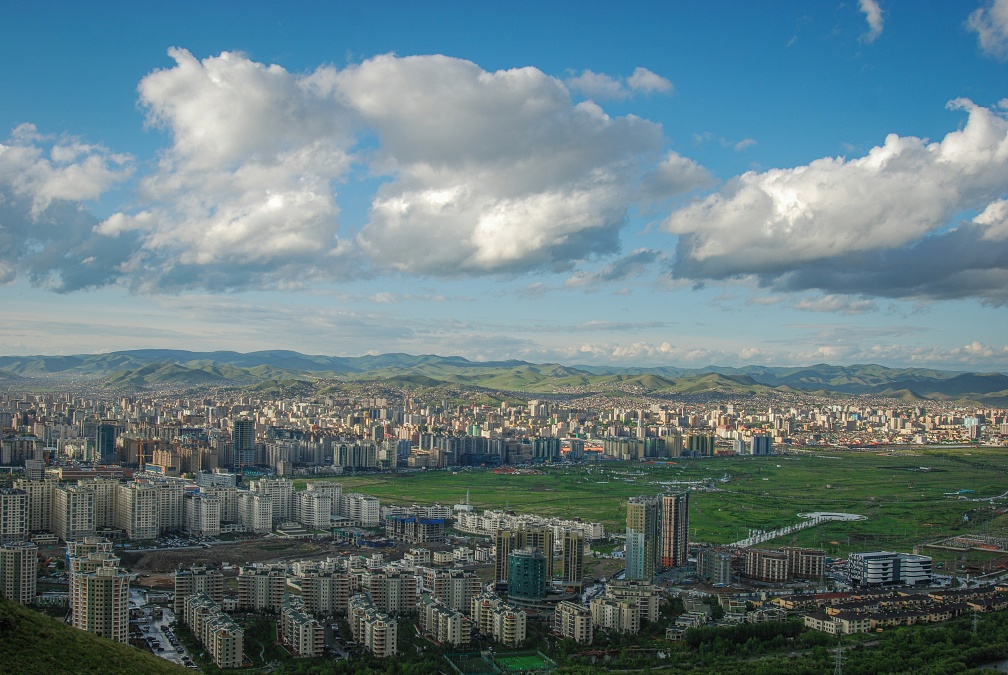
Ulaanbaatar is Mongolia’s only true urban base for remote workers, combining international flights, cafes, coworking, supermarkets, hospitals, and cultural institutions. It is affordable compared with most developed capitals and offers extraordinary access to steppe landscapes, nomadic culture, and mountains. However, winter is extremely cold, air pollution can be severe, traffic is frustrating, and healthcare is limited compared with major Asian hubs. It works best for adventurous remote workers with flexible schedules and a specific interest in Mongolia.
Need help moving to Ulaanbaatar?
Compare trusted relocation providers for visas, housing, tax, moving and healthcare.
Ulaanbaatar
Mongolia / Asia
6.24
BEST FOR
Budget, Lifestyle, Nomad
Lifestyle & Environment
QUICK FACTS
Safety
Internet
Tax
Visa
Climate
Healthcare
: Moderate
: Average Speed
: Low
: e-Visa
: Cold
: Average
travel tools
Smart travel setup for Ulaanbaatar
Skip hours of research — here’s exactly how to plan your stay.
Best areas to stay
Sukhbaatar District, Zaisan, Khan-Uul, Seoul Street area
Sukhbaatar is best for first stays and walkability, while Zaisan and Khan-Uul can offer newer apartments and cleaner-feeling residential comfort.
View best stays →Mobile internet setup
Univision, Mobicom, or Unitel home/mobile backup
Ask for a speed test and check heating reliability, especially for winter stays.
Check eSIM →Best way to fly in
Chinggis Khaan International Airport connects Mongolia to regional hubs such as Seoul, Beijing, Istanbul, and Tokyo depending on schedules.
Seasonality and route availability matter, so check current flight options before committing to long stays.
Find flights →Travel insurance
International medical insurance with evacuation coverage is recommended.
Specialist care may require evacuation to another Asian hub, especially for serious issues.
Get covered →Best first week plan
Sukhbaatar Square, Gandan Monastery, Zaisan views, Terelj National Park, steppe trips, Naadam season, Mongolian food and museums
Explore →